
Regenerative farming in the UK
Regenerative Farming UK: Healthier Land, Better Food, and a Living Countryside
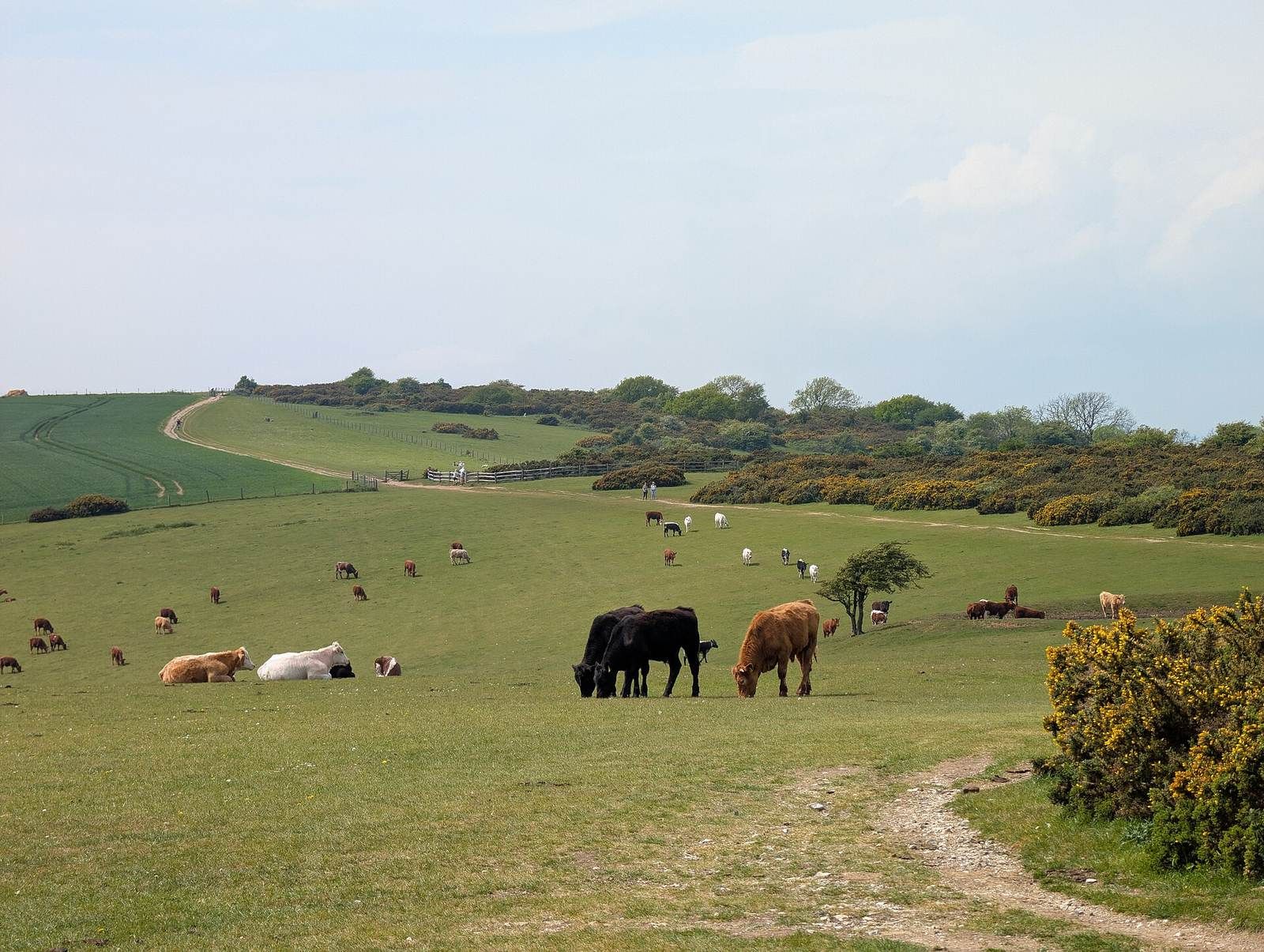
Across Britain, farmers and growers are trying to leave the land better than they found it. They are bringing life back into the soil, making more room for wildlife, growing excellent food and using fewer chemicals. At the heart of the work, I think, are grazing animals, moved with care.
I think that is something to celebrate. These farms produce pasture-raised meat and dairy, eggs, vegetables, grain and honey, often with fewer sprays and less fertiliser, and many find the business works better when those bills fall.
If you are new to the ideas, start with my guide to what regenerative agriculture is. In short, it means keeping the ground covered, disturbing it less, growing a mix of plants, keeping living roots in the soil and bringing livestock back with care. This piece is about the people and places that make the UK story so hopeful.
Why it matters to me
I love a living countryside: thick hedges, birds over a mixed field, bees in clover, cattle and sheep on a herbal ley (a pasture sown with grasses, clovers and herbs).
Regenerative farming starts with the soil. Feed the soil, and let the soil feed the crop. Keep plants growing. Treat grazing animals as the engine of soil and habitat repair rather than a separate business. Allan Savory helped many people see livestock that way. Farmers such as Gabe Brown in North Dakota, Richard Perkins in Sweden and Joel Salatin in Virginia have shown that a farm can restore land, produce superb meat and still make a living. Britain is now full of people doing the same, in British weather, on British ground.
There is no single official badge for it. The Nature Friendly Farming Network explains that organic is a legal, certified term in the UK, while regenerative farming is a set of principles, with results you can see in a field. A farm can be both, and many are.
The people and places I love
Groundswell, and the Cherry family
If British regenerative farming has a summer gathering place, it is Groundswell. The Cherry farming families host it at Lannock Farm in Weston, Hertfordshire. It began in 2016 in the farm’s own barns with a few hundred people, and Lannock Farm says it now draws more than 10,000 farmers. People are hungry for a better way.
John and Paul Cherry have farmed in Weston for nearly 40 years. Inspired by farmers in the United States who sow without ploughing, they put the plough away in 2012 to put soil health and wildlife first. Paul’s son Alex came home from a London job in 2016 to help launch the festival. In 2025 the estate was divided: Lannock Farm stayed with Paul, and John now runs Irongate Farm.
Lannock still grows field crops in a mixed rotation. Its farm shop, Lannock Larder, opened in 2024, with a butchery selling pasture-fed beef from local meadows. The family are especially proud of their pasture-raised eggs, from free-roaming hens.
Tim May, and a Hampshire estate opening its gates
In Hampshire, Tim May runs Kingsclere Estates, a large family farm. The farming body AHDB, which chose it as a Monitor Farm in May 2024, says it is now fully organic after a switch that began in 2017, growing wheat, barley, oats and beans.
In a letter on the estate’s site from the summer of 2020, May wrote that when he took over, he realised their love of the land had been “true only in spirit.” They had thought about what the soil could do for them, he said, and not enough about what they could give back. After travelling to see other ways of farming, he decided “to radically regenerate my soil and do everything in my power to increase the biodiversity of our estate for future generations.”
I like that honesty. He set out to build a regenerative community farm, with partners and neighbours as well as crops. The estate has offered walks with May so visitors can see the farm through the seasons, which is a fine way in.
Charles Dowding, and the joy of not digging
Not all of this happens on big farms. Charles Dowding, from a Somerset farming family, has spent decades showing that you can grow plenty of healthy vegetables without digging.
He started an organic no-dig market garden on the family land at Shepton Montague in 1982. He now runs a small market and teaching garden at Homeacres, close to where he was born, and has recorded the harvests from trial beds every year since 2007. His idea is simple: leave the soil undisturbed as far as you reasonably can, and feed the life in it from the surface. His aim, he says, is to help people “grow more, from fewer resources, in less time.”
If you have an allotment, a back garden or even a few raised beds, no-dig is a way to join in.
Knepp: rewilding, and food grown beside it
Knepp, in Sussex, is above all a rewilding story. Rewilding means stepping back and letting nature take the lead. Since 2000, nature has poured back across its 3,500 acres: nightingales, turtle doves, purple emperor butterflies, and free-roaming herds of cattle, ponies, pigs and deer. I think it is one of the most hopeful landscapes in England.
Knepp has also shown that wilder land and food can sit side by side. Alongside the rewilding, it developed a regenerative farm with Sussex cattle grazed in tight, moving herds, pastured poultry and farm tours. Its ecologist found 22 species of dung beetle there after the cattle arrived, a small, lovely sign of life returning.
An organic market garden, started in March 2022 on an old horse paddock, grows vegetables with covered soil and as little digging as possible. Its produce goes to the Wilding Kitchen and shop, and pasture-fed meat from the rewilding and partner farms is sold through Knepp’s butchery. You can walk the wild land on a guided safari, eat in the kitchen and take food home.
Pasture for Life, and a promise you can trust
With no official “regenerative” badge in the UK, shoppers need a little care. For beef, lamb and dairy, I think Pasture for Life is one of the clearest promises you can find. It certifies animals raised on pasture alone for their whole lives. Milk before weaning is fine, and so are hay and silage in winter, but grain and concentrate feeds are not.
Pasture for Life points out that under Defra rules a “grass-fed” label can be used when only 51% of an animal’s diet is grass-based. I think the 100% mark is much closer to what most people imagine when they hear those words.
How you can find the food, and visit the land
You do not need a tractor to be part of this.
The simplest step is to buy with a little more attention. Farm shops, box schemes and farmers’ markets make it easy to ask how the soil is looked after and what the animals eat. Look for the Pasture for Life mark on meat and dairy, and visit Lannock Larder or Knepp’s shop and kitchen if you are nearby. For bread and vegetables, look for growers who will tell you how the food was grown.
Visit if you can. Go to Groundswell when it comes round again. FarmED, at Honeydale Farm in the Cotswolds, welcomes the simply curious to a demonstration farm of herbal leys, mixed crops and sheep grazed in a tight bunch. Kingsclere has offered walks with Tim May, and Knepp runs safaris and garden tours. A herbal ley in midsummer, or a rewilded valley full of birds, teaches you more than any label.
To stay in touch with all this, the Nature Friendly Farming Network is a farmer-led group open to everyone, and membership is free.
I am optimistic. All over the UK, people are already doing this work, and the more of us who notice, visit and buy from them, the easier it becomes.
Frequently asked questions
What is regenerative farming in the UK, in one sentence?
Farming and growing on British land that tries to leave the soil, the wildlife and the food better than it found them, often with grazing animals at its heart, and gives the farmer a decent living too.
Is it the same as organic, or as rewilding?
No. Organic is a certified legal standard, while regenerative farming is a set of principles with no single badge. A farm can be both. Rewilding, as at Knepp, is mainly about giving land back to nature, but it can sit alongside food production, as Knepp shows.
Where can I buy food from this kind of farming?
Farm shops, box schemes and farmers’ markets are good places to start, so ask how the farm is run. For meat and dairy, the Pasture for Life mark is a clear standard, open to inspection, for a 100% pasture diet. A loose “grass-fed” claim may mean much less.
Can I visit a regenerative farm?
Yes, often. Groundswell is the big summer gathering, and FarmED, Kingsclere and Knepp all welcome visitors. Check dates and booking before you go.
Do I have to be a farmer to care about this?
Not at all. This site is written for people who love the countryside and good food. What you buy, what you grow and a day spent walking a farm all count.
Sources
- Lannock Farm, Our Story
- Groundswell, “Countdown to 10 years of Groundswell begins”
- Kingsclere Estates, Our Story (Tim May, summer 2020)
- Kingsclere Estates, Fortnightly Walks
- AHDB, Kingsclere Monitor Farm
- Charles Dowding, My Story
- Knepp, homepage
- Knepp, Market Garden
- Knepp, “Regenerative Farm moves into its next phase alongside Knepp’s Rewilding,” January 2023
- Pasture for Life, certification
- Pasture for Life, general FAQs
- Pasture for Life, homepage
- Nature Friendly Farming Network, homepage
- Nature Friendly Farming Network, “Nature-friendly, organic, regenerative farming: what’s the difference?”
- FarmED, Our Demo Farm (Honeydale Farm)