
Allan Savory and Holistic Management: A Hero of Regenerative Farming
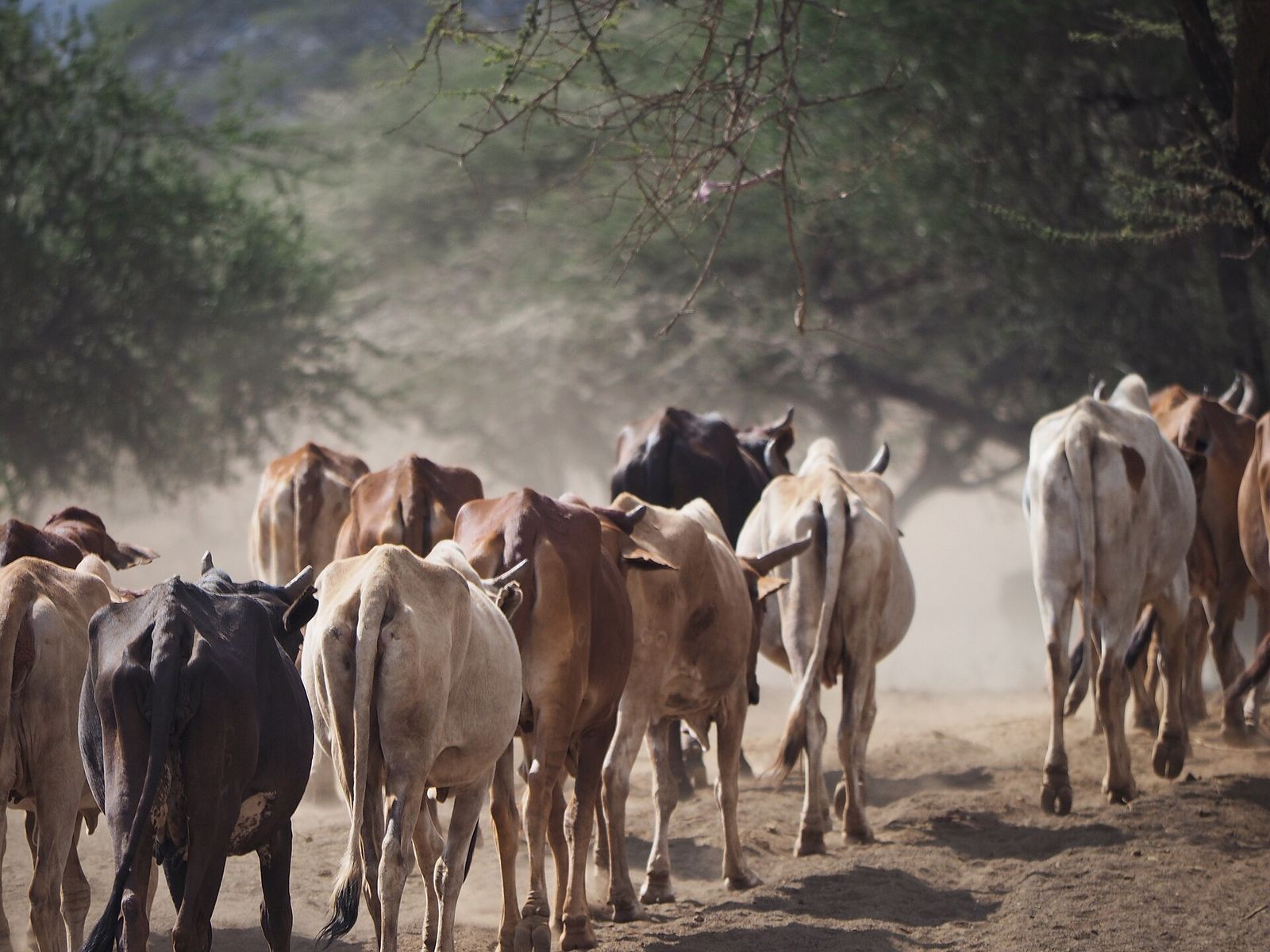
If you care about healing land, you will meet Allan Savory sooner or later. I think you should.
He is one of the originals of regenerative farming. He looked at bare, tired ground and asked a brave question. What if grazing animals, handled with care, could be the cure rather than the cause?
The approach he built is called holistic management. Put simply, it means making decisions that look after the land, the animals, the people and the money together. It also means moving herds the way wild herds once moved, so the grass can rest and grow back strong.
A young biologist who loved wild Africa
Savory was born in 1935 in what was then Southern Rhodesia, now Zimbabwe. He studied zoology and botany at the University of Natal in South Africa. As a young man he worked as a research biologist and game ranger in Northern Rhodesia, today’s Zambia, and later he farmed and ranched in Zimbabwe.
He loved wildlife, and he could see the land drying out and crumbling. Like most people then, he thought the cause was simple: too many animals.
The mistake he never hid
In the 1950s he helped set aside land for national parks. Many years later, in a TED talk, he described what followed.
Once the hunting communities had been moved out, he said, the land got worse. He decided there were too many elephants and recommended cutting their numbers, and a government panel of experts agreed. “Over the following years,” he said, “we shot 40,000 elephants to try to stop the damage.”
The land kept getting worse.
“Loving elephants as I do,” he told the audience, “that was the saddest and greatest blunder of my life, and I will carry that to my grave.”
I honour him for saying that in public. He owned his worst mistake and let it change him. He started to wonder whether bare soil came less from the number of animals and more from how long they stayed in one place.
The big idea
Long ago, great herds of wild animals roamed the grasslands. Predators kept them bunched together. They grazed, trampled the old dry grass, left their dung and moved on. The plants had time to recover, and the soil stayed covered.
Savory came to believe farm animals could do the same job if their moves were planned. He called this Holistic Planned Grazing. It is more thoughtful than moving cows round a fixed rota. The farmer keeps asking whether the animals are in the right place at the right time, and whether the plants have had enough rest.
I find it a beautiful idea, because it sees grazing animals as partners in mending soil and habitat. Done well, it also puts meat and dairy from living grassland back at the centre of farming.
The wider Holistic Management framework is a way of making decisions when life is messy, as farm life always is. The grazing plan sits inside it, alongside plans for the land and the money.
He kept going
It was a hard message to sell. Many experts had long seen livestock as the enemy of wild land, and not everyone agreed with him. Some still do not.
His life took a political turn too. He served as a Member of Parliament in the last years of Rhodesia’s civil war, led opposition to Ian Smith’s ruling party, was exiled in 1979 and later settled in the United States.
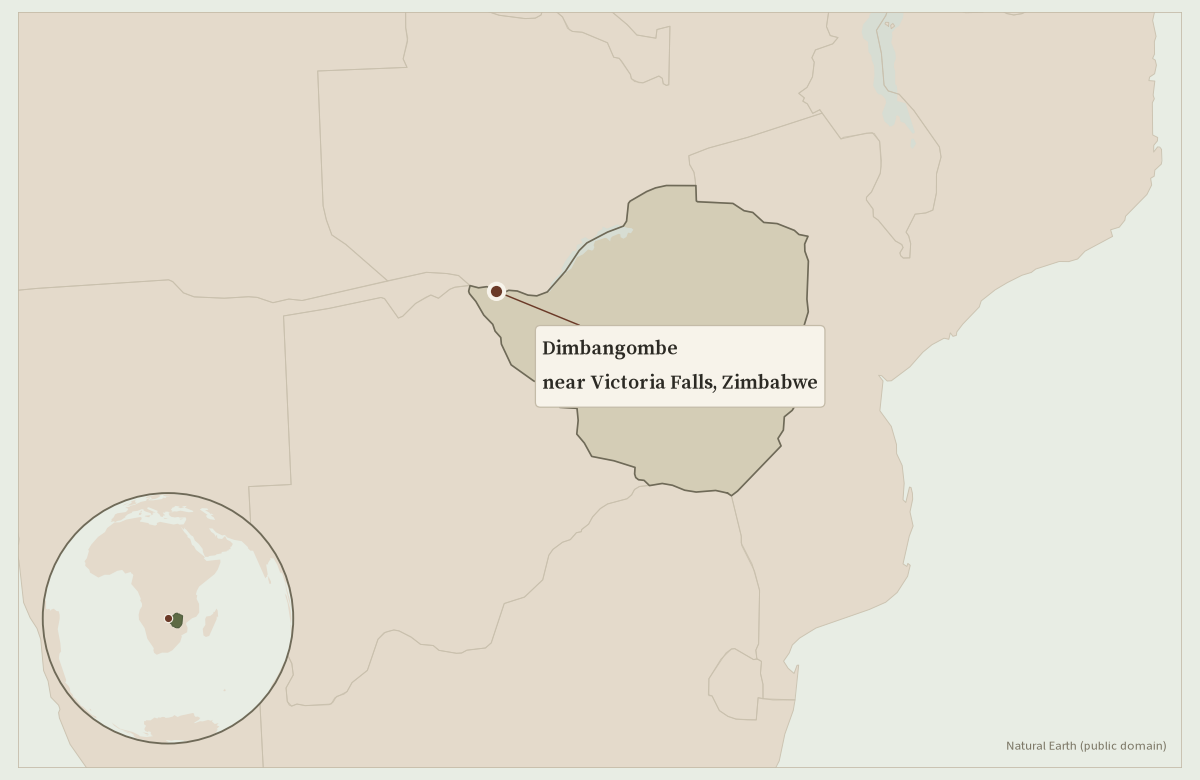
The work carried on. He co-founded the Center for Holistic Management in 1984. In 1992 he and his wife, Jody Butterfield, set up the Africa Centre for Holistic Management in Zimbabwe, and donated a ranch, Dimbangombe Conservancy near Victoria Falls, as a place to learn. Cattle and wildlife share the land there.
In 2009 Savory, Butterfield and colleagues founded the Savory Institute in Boulder, Colorado, to take the teaching worldwide, and in 2013 the Africa Centre became its first local hub. The ideas are set down in the book Holistic Management. The Institute says he retired from his formal roles in early 2026.
In 2013 he also stood on the TED stage and told millions that bunched, moving livestock could help heal tired land. That talk woke a lot of people up. What stayed with me was the picture of worn-out land, given back its herds, coming to life again.
What this means on the ground
For me his work comes down to living soil, room for wildlife alongside cattle, sheep and goats, and good meat from animals raised on recovering grass. It promises less need for fertiliser and pesticide, and a better living for the people who farm.
There are encouraging signs where the planning is done with care. Around Dimbangombe, a case study published by the FAO found that when livestock were penned overnight on crop fields after harvest, maize yields in 2008 and 2009 were more than four times higher than before. Abandoned fields could be farmed again.
Other ranch studies and field comparisons have found better plant cover, richer soil life and stronger grazing where herds are moved to a plan.
The Savory Institute now checks the land itself. Its Ecological Outcome Verification tracks whether farms are actually improving, and those that are can join Land to Market, which links their meat, other food and fibre to buyers who care. I like that principle: judge the work by what the land is doing.
None of this will fix every field overnight, and what works on a Zimbabwean conservancy is a lesson rather than a recipe for a small British farm. I still think it is worth learning.
Why I think farmers owe him
Savory changed how many people see livestock. He told a generation of farmers their animals could help repair the land, gave them the words for it, and built places where the work could be taught and tested.
Today’s regenerative farmers did not start from nothing. They build on ideas he spent a lifetime fighting for, often when giving up would have been easier. I do not think he got every big claim right. He asked the right kind of question, owned his worst mistake, and spent the rest of his life trying to help land and people together.
Frequently asked questions
Who is Allan Savory?
A Zimbabwean biologist, farmer and teacher, born in 1935. He created Holistic Management, helped found the Africa Centre and the Savory Institute, and became widely known after his 2013 TED talk.
What is holistic management, in plain words?
A way of making decisions that keeps land, animals, people and money in view at once. Holistic Planned Grazing is the part about moving livestock so plants can recover.
Does this mean more animals will always help the land?
No. What matters is how the animals are managed. If they stay too long or come back too soon, plants cannot recover. Moved with care, they can help cover and feed the soil and grow more food, including meat and milk from living grass.
Why do I call him a hero?
Because he changed how many of us see livestock, told the truth about a terrible mistake, and kept going when people doubted him.
Sources
- Savory Institute, “Who is Allan Savory?”
- Savory Institute, team biography
- Savory Institute, “What is Holistic Management?”
- Savory Institute, Holistic Planned Grazing
- Savory Institute, Ecological Outcome Verification
- Savory Institute, Land to Market
- Africa Centre for Holistic Management, About
- Allan Savory, “How to fight desertification and reverse climate change,” TED, 2013
- Official TED transcript of the same talk
- Island Press / Princeton University Press, Holistic Management, Third Edition (2016)
- Buckminster Fuller Institute, 2010 Challenge winner: Operation Hope
- Andrea Malmberg and Jody Butterfield, “Holistic management of livestock, Zimbabwe, 2001–2009,” FAO case study
- W.R. Teague et al., ranch-scale grazing study, Agriculture, Ecosystems and Environment, 2011
- Mike Peel and Marc Stalmans, Zimbabwe rangeland comparison, African Journal of Range & Forage Science, 2018