
What Is Regenerative Agriculture? A Simple Guide to Healthier Land and Better Food
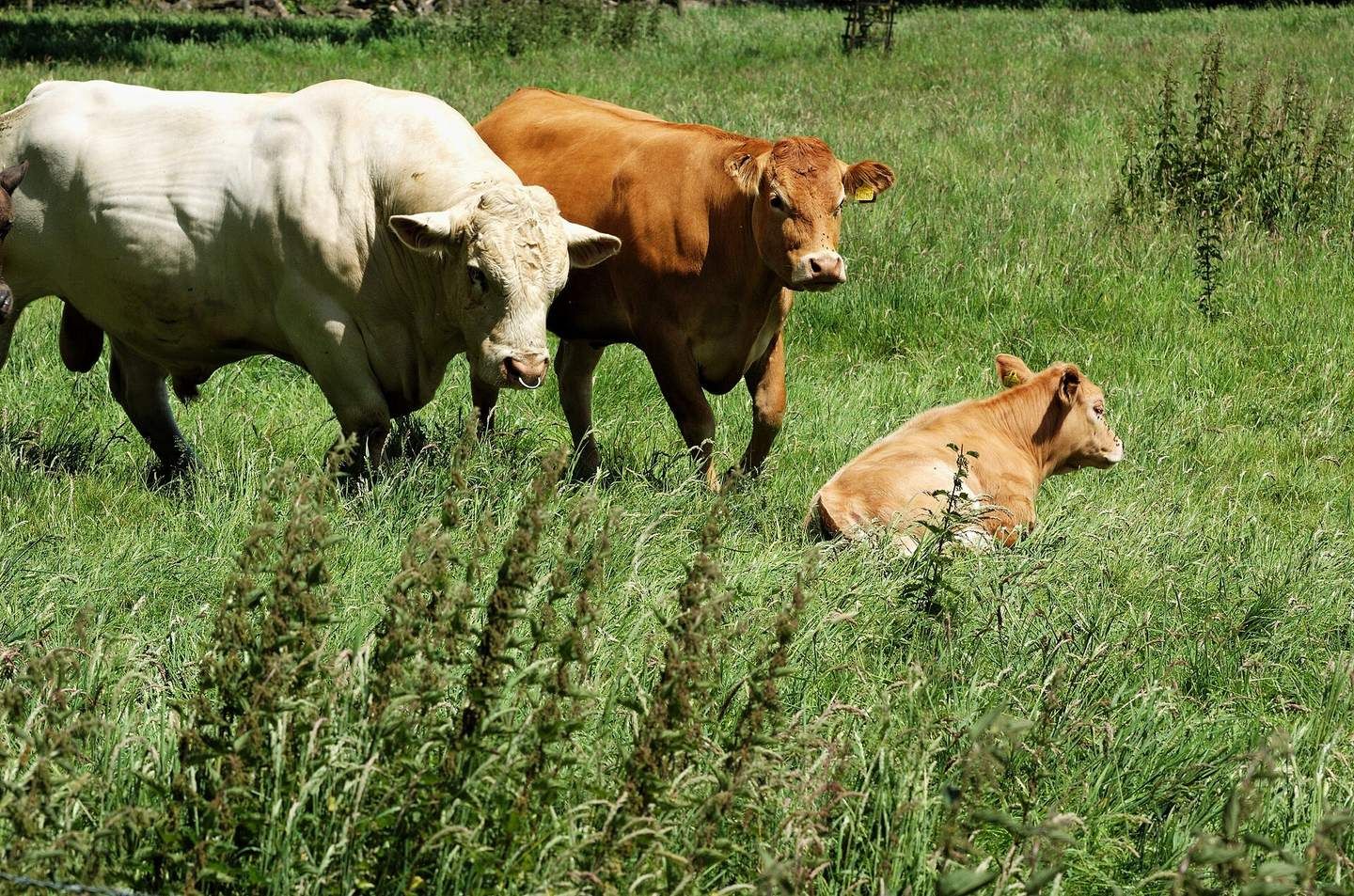
If you have ever wondered what regenerative agriculture is, here is the short answer. It is farming that tries to leave the land better than it found it: soil that is alive, more room for wildlife, good food from healthy ground, and less need for chemicals. At its heart, I think, are grazing animals, moved with care.
It is a hopeful idea, and I am firmly in favour of it. Here is what it means, how it looks in the UK, and how you can support it.
Why it matters
A field can look green and still be tired. If the soil is bare for much of the year, ploughed often and fed mainly from a bag, the life underground starts to fade. Rain runs off instead of soaking in, and wildlife has less to eat.
Farming can do the opposite. When soil is covered and full of roots, it holds together, water soaks in, and birds and insects find food and shelter.
There is a money side too. Fertiliser and sprays are expensive. If a farm can make more of its own fertility, from clover, dung and careful grazing, those bills can shrink.
What it means in practice
There is no legal definition of “regenerative” in the UK, and no single official certificate. The Nature Friendly Farming Network puts it plainly: it is built on principles, not on one rulebook. Most farmers who use the word are doing some version of the five things below.
Keep the soil covered
Bare soil gets battered by rain and blown by wind, and the life in it suffers. So regenerative farmers keep something growing on the ground for as much of the year as they can. After a harvest they may sow a cover crop, a crop grown to protect and feed the soil rather than to sell. On grassland, they try not to graze so hard that the earth shows through.
Disturb the soil as little as you can
Ploughing turns the soil over. It has its uses, but done often it breaks up the underground world of roots, fungi and worms. Many regenerative farms plough less, or not at all, which is called no-till. The habit is to ask before you disturb the ground: do I really need to?
Grow a mix of plants
Nature rarely grows one crop in a straight line. A mix of plants means a mix of roots, some shallow and some deep, and flowers for insects at different times of year.
In the UK you will often hear about herbal leys. A herbal ley is a pasture sown with a mix of grasses, clovers and herbs such as chicory, plantain or yarrow. The government scheme that pays for them asks for at least one grass, two legumes (plants like clover that feed the soil) and two herbs or wildflowers. I love them. They feed the animals, enrich the soil and give insects a feast.
Keep living roots in the ground
Living roots feed the tiny life in the soil and hold it together. That is why cover crops and herbal leys matter: the aim is never to leave the soil without a growing plant for long.
Bring animals back, and move them with care
This is the idea I feel most strongly about. I think grazing animals are the engine of soil and habitat repair, and farming is poorer when crops and livestock are kept apart.
In the UK this is called mob grazing, adaptive grazing or planned grazing. The picture is simple. A tight bunch of cattle or sheep grazes one small field for a short time. They eat, trample the old grass and leave dung. Then they move on, and the plants get a long rest. That short, heavy graze followed by rest is how so much living grassland is made, and it is the heart of what farmers like Gabe Brown and Joel Salatin do.
Timing and rest matter as much as the animals. More animals left in one place will not help. If you want the story of how this idea grew, start with my profile of Allan Savory.
How it differs from conventional farming
By conventional, I mean the farming that became normal over the last few generations: big single-crop fields, regular ploughing, and a lot of manufactured fertiliser and chemical sprays. It has produced a great deal of food.
Regenerative farming starts from a different place. Instead of feeding the crop from a bag, you feed the soil and let the soil feed the crop. Instead of bare ground between harvests, you keep plants growing. And you bring livestock back onto the land.
How it differs from organic
The two overlap, but they are not the same. Organic is a legal, certified term in the UK. Farms are inspected, mostly by bodies such as the Soil Association and OF&G, and artificial fertilisers and most pesticides are not allowed.
Regenerative farming has no single certificate. It is a set of principles and, at its best, results you can see on the ground: better soil, more life, good food. A farm can be both, and many are, but one does not automatically mean the other.
Regenerative farming in the UK
Every summer, thousands of farmers and curious visitors gather at Groundswell, a festival hosted by the Cherry farming families at Lannock Farm in Hertfordshire. It began in 2016 with a few hundred people and is now one of the liveliest meeting places in British farming.
Pasture for Life certifies farms whose cattle, sheep and other grazing animals eat only pasture for their whole lives. Milk before weaning is fine, and so are hay and silage in winter, but grain and concentrate feeds are not. Pasture for Life points out that under Defra rules a “grass-fed” label can be used when only 51% of an animal’s diet is grass-based. I think their 100% promise is much closer to what most people imagine when they hear those words.
The Nature Friendly Farming Network is a farmer-led group that helps people bring farming and nature back into balance. Anyone can join, and membership is free.
You can visit farms too. FarmED, at Honeydale Farm in the Cotswolds, is a 107-acre mix of crops, grass and permanent pasture, with herbal leys and a flock of sheep moved in a tight bunch. The team says they use no artificial fertiliser or sprays, apart from a small wheat comparison plot, and they run farm walks for visitors.
Wildfarmed works with farmers growing wheat, oats and barley this way and helps get that grain into everyday food.
Government support in England has started to back these ideas. The Sustainable Farming Incentive pays farmers for soil-friendly work, and in 2026 that included herbal leys, mixed cover crops and no-till. The 2026 application windows have now closed. Scotland, Wales and Northern Ireland run their own schemes.
How you can support it
You do not need a tractor to be part of this.
The simplest thing is to buy with a little more care. Farm shops, box schemes and farmers’ markets make it easy to ask: how do you look after your soil, and what do the animals eat? For meat and dairy, the Pasture for Life mark promises a 100% pasture diet. For bread and flour, look for growers and millers who will tell you how the grain was grown.
Visit if you can. Walk a farm, go to Groundswell when it comes round again, or book a walk at FarmED, which welcomes the simply curious. Farmers across the UK are already doing this work, and the more of us who notice, visit and buy from them, the easier it becomes.
Frequently asked questions
What is regenerative agriculture, in one sentence?
Farming that tries to leave the soil, the wildlife and the food better than it found them, by covering the ground, disturbing it less, growing a mix of plants, keeping living roots, and grazing animals with care.
Is it the same as organic?
No. Organic is a certified legal standard in the UK. Regenerative farming is a set of principles with no single official badge. A farm can be both, and many are.
Does it only work on farms with animals?
No. Soil cover, less ploughing, a mix of plants and living roots all work on arable and vegetable land too. I still think grazing animals, moved well, do the most to bring soil back to life.
How can I tell if food really comes from a regenerative farm?
Ask. With no single certificate, buy from farms and brands that will tell you what they do. For meat and dairy, Pasture for Life certification is a clear standard for a 100% pasture diet. A plain “grass-fed” claim may mean much less.
Can a small farm do this?
Yes. Honeydale Farm, at 107 acres, was set up to show that this kind of mixed farming can work on a family scale.
Sources
- Nature Friendly Farming Network, “Nature-friendly, organic, regenerative farming: what’s the difference?”
- Nature Friendly Farming Network, homepage
- Groundswell, “Countdown to 10 years of Groundswell begins”
- Pasture for Life, certification
- Pasture for Life, general FAQs
- Pasture for Life, homepage
- GOV.UK, SFI26 scheme rules and guidance
- GOV.UK, CSAM3: Herbal leys (SFI26)
- FarmED, Our Demo Farm (Honeydale Farm)
- Wildfarmed, “What is regenerative farming?”