
Gabe Brown and Regenerative Agriculture: From Ruin to Living Soil and Good Food
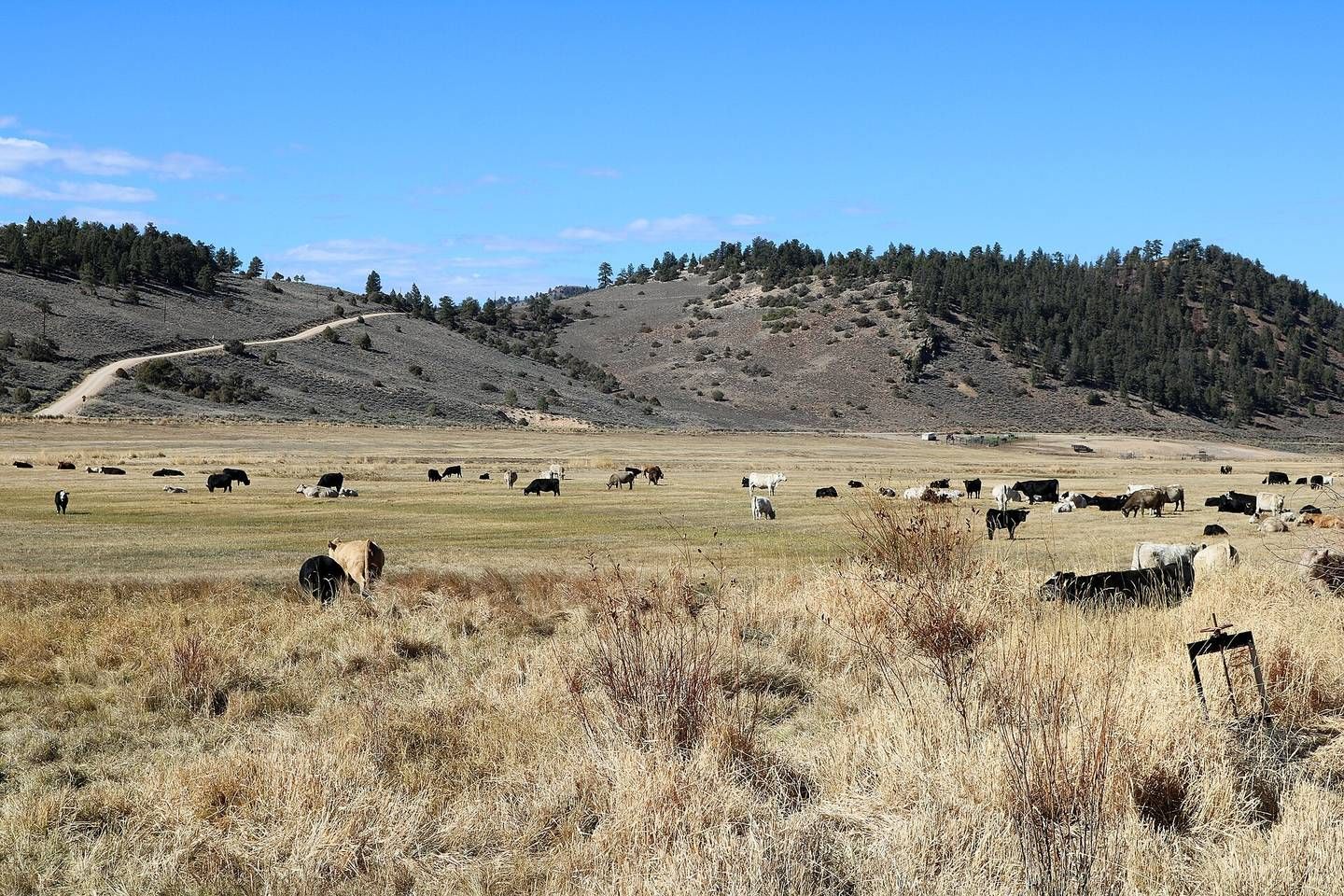
If you care about living soil and good food, you will meet Gabe Brown sooner or later. I think of him as one of the great teachers of regenerative agriculture.
He and his wife, Shelly, took over a family ranch in North Dakota and then watched the weather try to ruin them, year after year. Out of that hard time they built a ranch that brings grazing animals back onto the land, feeds the soil, and raises grass-fed meat and pastured eggs. It has shown a great many people that land can get better.
Taking over the ranch
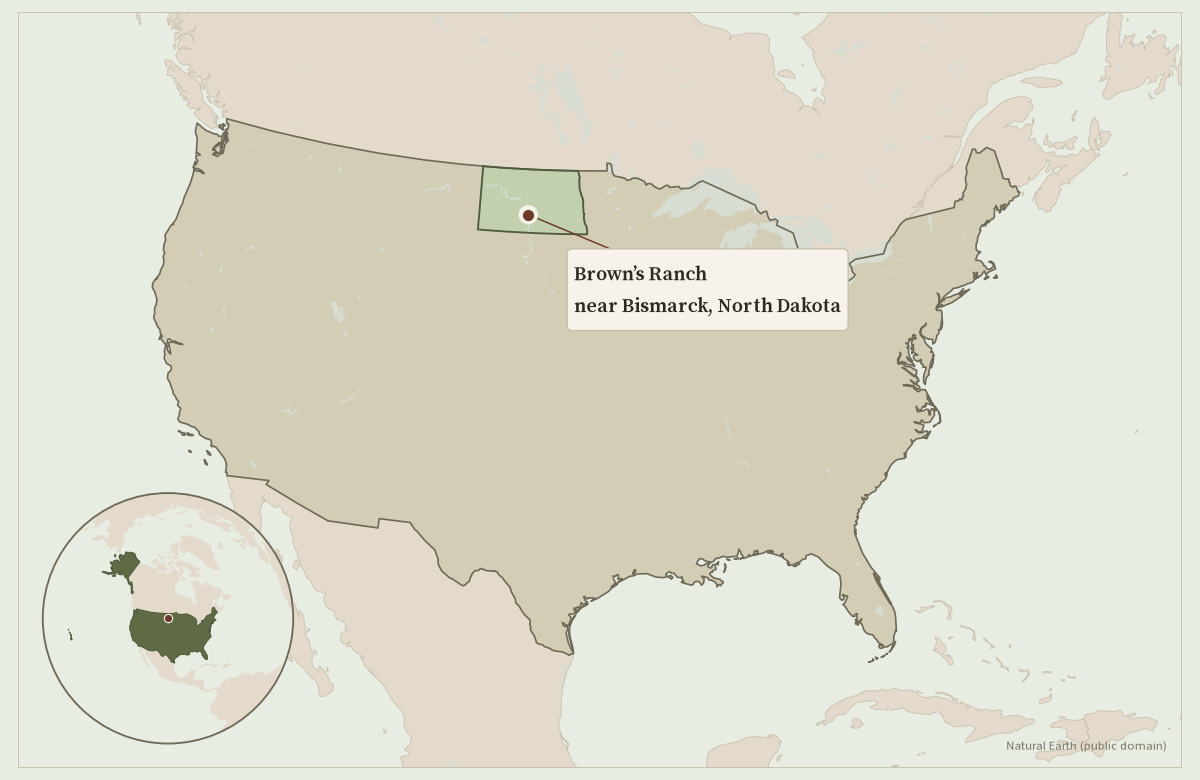
Gabe and Shelly bought the ranch from Shelly’s parents in 1991. It lies just east of Bismarck, and over the years they grew it to 5,000 acres, some owned and some rented.
At first they farmed it the usual way. In an essay he wrote in 2013, Brown said the fields had been ploughed for decades and fed with artificial fertiliser and weedkiller. They had to use more and more just to keep yields up, and the land, he wrote, showed little life.
He wanted something better. In 1993 they bought a drill that sows seed straight into the ground without ploughing, and the ranch has farmed that way ever since. They began growing a wider mix of crops. Then the sky fell in.
Four years that changed everything
In 1995, the day before they were due to harvest 1,200 acres of spring wheat, a hailstorm took the lot. They had no crop insurance. The next year hail came again. In 1997 drought took the crop, and in 1998 another hailstorm hit.
In his book he looked back with wry, painful honesty. “We were so broke,” he wrote, “the bank knew when we bought toilet paper.” He also wrote, “Those four years of drought and hail were hell to go through, but they were the best thing that ever could have happened to me. Adversity forced me to change the way I looked at things.”
With no money for fertiliser and sprays, he had to think differently. He sowed more cover crops, to keep the ground covered and roots in the soil, and he brought livestock back onto the fields to graze. For me that was the turning point. The ranch still follows Holistic Management, a way of making decisions that keeps the land, the animals, the people and the money in view at once.
Slowly, Brown wrote, life came back. The soil began to hold water and the farm felt more alive. The hard years had taught them to look after the soil first.
The simple ideas behind his farming
In Dirt to Soil, published by Chelsea Green in September 2018, he set out five principles of soil health. In plain words: disturb the soil as little as you can; keep it covered, like armour; grow a mix of plants; keep living roots in the ground; and bring animals back onto the land, which matters most to me.
Understanding Ag, the teaching and advice group where Brown is a senior partner, later added a sixth: know your own place, your family, your markets and your aims before you copy anyone else. The Soil Health Academy teaches the same six ideas. I like how plain they are.
The ranch site says they no longer use artificial fertiliser, fungicides or pesticides. They use only a little weedkiller and are working to drop that too, and they use no GMOs or glyphosate. Most pastures get a rest of more than 360 days between grazings.
The soil answered. In that 2013 essay, Brown wrote that ground with less than 2 per cent organic matter had been brought up to 5 or 6 per cent. Those are his figures, and I find them full of hope.
Good food, sold with a face behind it
Brown’s Ranch raises 100% grass-fed and grass-finished beef and lamb, pasture-raised pork and chicken, pasture-raised eggs and raw honey. The cattle and sheep live on grass and other forage. The hens follow the herd, scratching and pecking as birds once followed bison across the plains. Understanding Ag’s biography notes that the family part-own a state-inspected abattoir, which lets them sell straight to customers.
Their son, Paul, and his wife, Jazmin, now run the ranch day to day, while Gabe spends most of his time teaching.
A book and a wide reach
Dirt to Soil: One Family’s Journey into Regenerative Agriculture tells the story in his own voice. Allan Savory praised it as a breath of fresh air, and as an example of what a farmer can do by following ecological principles with common sense and imagination.
Brown did not keep the lessons to himself. Through Understanding Ag and the Soil Health Academy he has spent years showing other farmers how to build soil, cut costs and make a better living. His biography says more than 2,000 people visit the ranch each year, from all fifty states and twenty-four countries. I see the same generous spirit I admire in Richard Perkins.
Why I think he matters
For me, his story is about soil that is alive, with worms and roots and a sponge for the rain. There is room for birds, insects and wildlife alongside the cattle, sheep, pigs and hens, far fewer chemicals, and a farm that pays its way even after the worst years.
He did not start with a big theory. He started as a family in trouble, who paid attention, changed course and let the land come back to life.
You do not need 5,000 acres in North Dakota to take heart from that. When you look for grass-fed meat and pasture-raised eggs, you are walking a path he helped to open.
Frequently asked questions
Who is Gabe Brown?
A North Dakota farmer, rancher and teacher, best known for Brown’s Ranch near Bismarck and his book Dirt to Soil.
What happened to the ranch in the 1990s?
Soon after Gabe and Shelly took over in 1991, four hard years arrived. Hail destroyed the 1995 and 1996 crops, including 1,200 acres of wheat the day before harvest. Drought took the 1997 crop, and hail hit again in 1998. Those losses pushed them to farm in a new way.
What does he teach?
A handful of simple soil-health principles: disturb the ground less, keep it covered, grow a mix of plants, keep living roots, and bring in livestock, all suited to your own place. He shares them through his book, Understanding Ag, the Soil Health Academy and visits to the ranch.
Why do I call him a hero?
Because he did not give up when the weather tried to break the farm. He changed how he farmed, brought grazing animals back onto the land, and then spent years teaching others.
Sources
- Brown’s Ranch, homepage
- Brown’s Ranch, regenerative products
- Understanding Ag, Gabe Brown biography
- Understanding Ag, homepage
- Understanding Ag, “The 6-3-4 Explained”
- Soil Health Academy, “Adaptive Stewardship – What Does it Really Mean?”
- Chelsea Green, Dirt to Soil: One Family’s Journey into Regenerative Agriculture
- Gabe Brown, “The Real Dirt: Regenerating Soil Quality To Sustain Life,” originally published by OnEarth, 11 September 2013
- Lon Tonneson, “Turning around 4 disastrous years with regenerative agriculture,” Farm Progress / Dakota Farmer, 15 October 2018