
A Teacher from the Natal Grasslands: Ian Mitchell-Innes
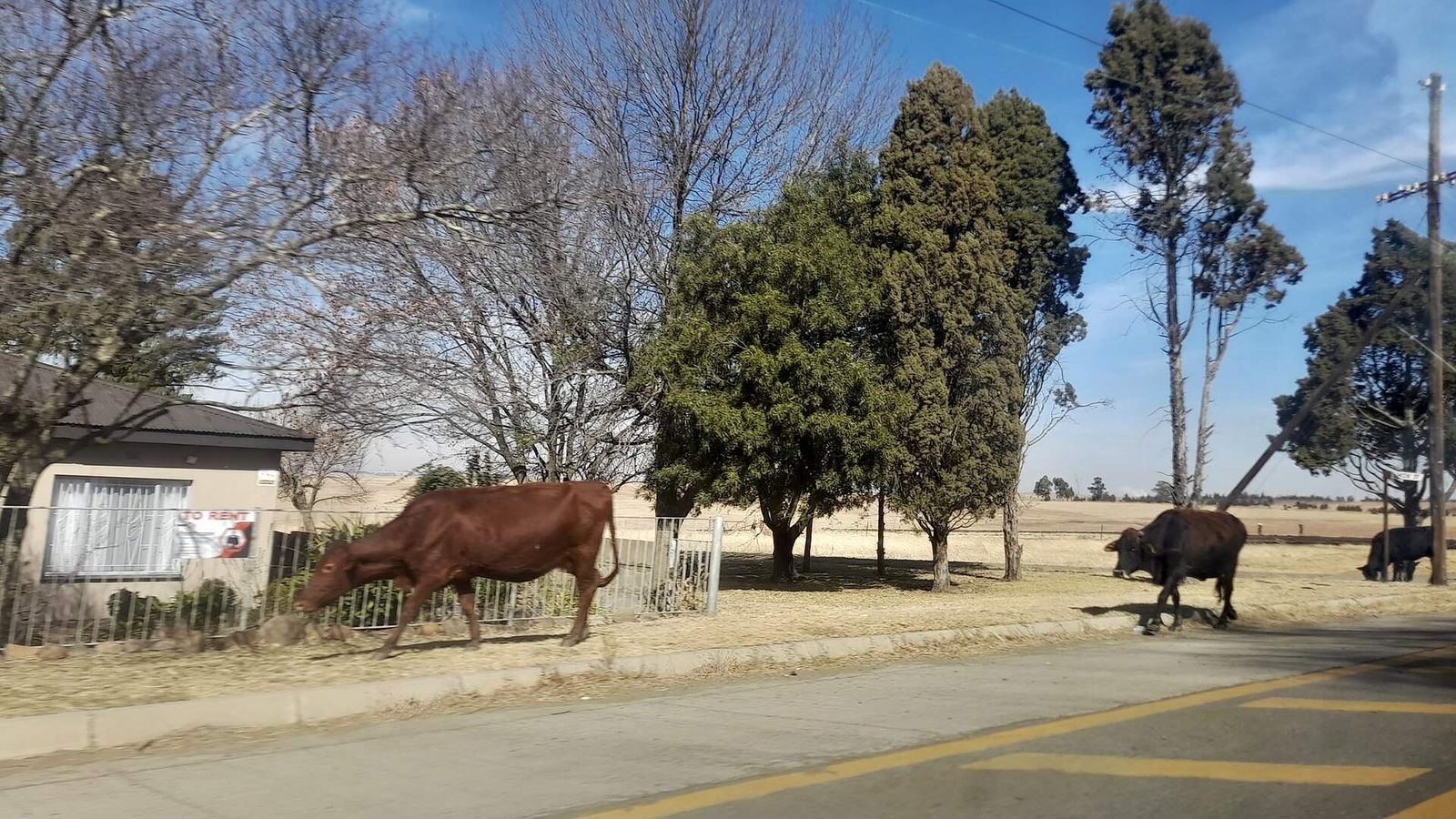
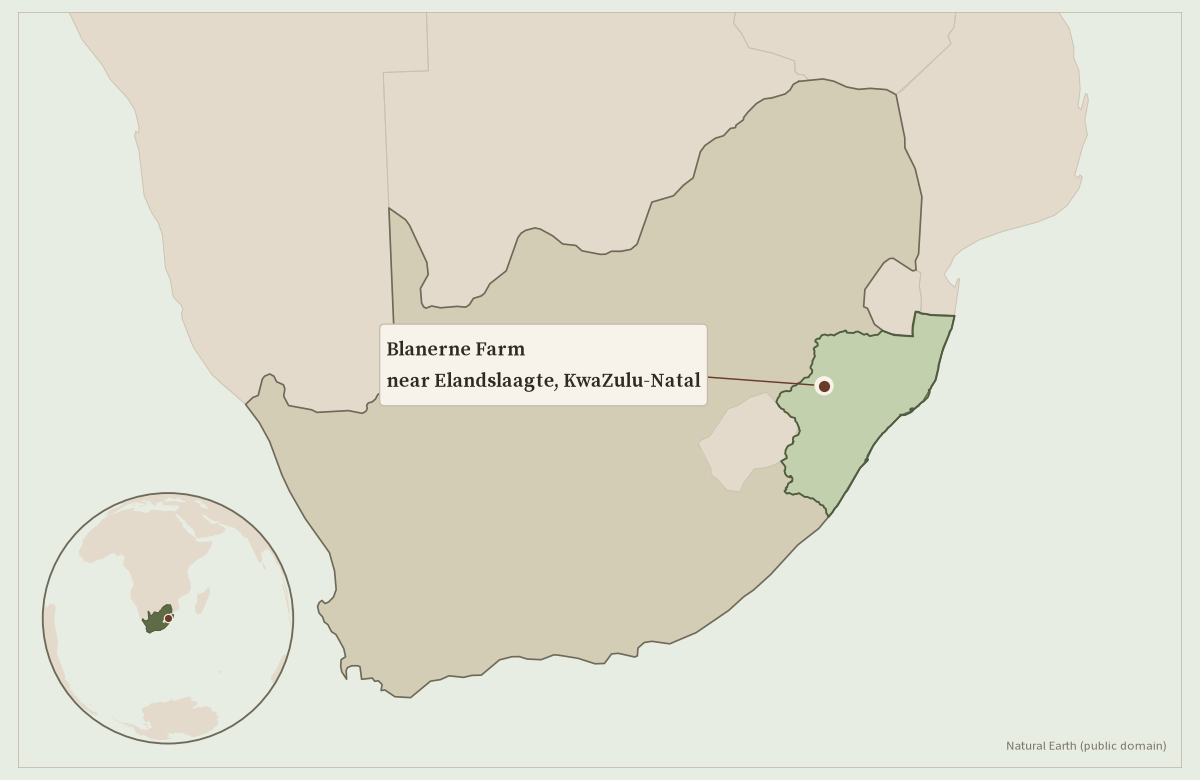
In the hills of northern KwaZulu-Natal, near the little town of Elandslaagte, between Newcastle and Ladysmith, the Mitchell-Innes family has run cattle since 1863. The farm is called Blanerne. It is dry, grassy country, a long way from a wet British paddock, and the cattle live on that grass.
I came to Ian Mitchell-Innes through his teaching. He is a rancher first, and for many years he has also been a travelling teacher, showing other cattle farmers a simple idea: keep the cattle close together, let them take the tops of the grass, move them on, and give the land a proper rest. Greg Judy, the well-known Missouri grazier, has credited him with opening his eyes to what planned grazing could do on his own farm.
The challenge
Ian has said he tried most of the ordinary tools first. A biography circulated with a Holistic Management International teaching interview in 2013 described a life that had included growing crops, fattening cattle on grain in pens, ordinary ranching, and irrigated pasture. At the age of 48, it said, he decided to practise holistic planned grazing, the approach associated with Allan Savory, and trained as a certified teacher of it.
He is frank that the learning was not cheap. Speaking to the Wyoming Livestock Roundup in 2024, he said he had worked the method out by trial and error on his own farm, and that “my learning through trial and error cost me a lot of money until I figured it out.” He is passionate, he added, about “getting people on the land making a decent living.”
What changed
The idea itself is plain, and my guide to regenerative agriculture explains it from the start. Cattle are bunched tightly and moved often, sometimes more than once a day. They eat only the tops of the plants, where, Ian says, the energy is, and they tread the rest into the ground as a blanket of litter. That litter shades the soil, feeds the life in it, and leaves the grass with enough leaf to grow back. Each grazed patch is then left alone long enough to recover.
He is firm that the cattle come first. “If you don’t get animal performance you will go broke,” he has told farmers, more than once. Watch the animals as well as the grass. If they are not doing well, the plan needs to change, however tidy it looks on paper. The sheep farmers of Ovis 21 in Patagonia learned the same lesson.
The same 2013 biography said that after a course in financial planning he turned off his irrigation pumps and has never turned them on again, and that he stopped ploughing altogether, much as Gabe Brown did in North Dakota. The saving, on this account, was large: no electricity, tractor, labour or fertiliser bills of that kind. That year, it said, the only extras given to the cattle were salt and bone meal, with no hay and no protein supplements.
In 2005 his son William came home to the ranch. Ian was running Beefmaster cattle, and William chose Nguni, a native South African breed. According to the same biography they then tripled the number of cattle. Even in the worst drought in forty years, it said, there was so much grass that they rented out half the ranch for three years and still had to bring in more cattle to prepare the ground for spring.
What they report
The ranch covers some 14,000 acres. That is the figure in the 2013 biography, and in Troy Bishopp’s report for Cornell’s Small Farms Program in October 2010, written after a course Ian taught in Massachusetts. Bishopp described Ian as grazing 5,000 head of cattle on that “brittle” grassland, meaning dry country where the rain is uneven, like the desert grassland of Las Damas in Mexico.
On profit, I am staying with his own words. If you no longer need “balers, tractors, fertilizers,” he told the Wyoming paper, “all of a sudden ranching can become exceedingly profitable.” At Cornell he put it more bluntly still: “Making a profit is not a swear word.” As he tells it, the trick is to spend less and let the grass and the cattle do more of the work.
On the soil, he talks about what you can see: ground covered by growing plants or by trodden litter, cooler soil, more life underneath, and, in time, more grass than the herd can eat. “There is no such thing as wasted grass,” he told the Cornell group. The grass left behind is what feeds the soil.
He has carried the same lesson a long way from Elandslaagte. In 2013 he taught in Vermont. In 2016 he spent three days with about fifty farmers in Manitoba, in a workshop reported by Grainews. By 2017, a course listing in California said he had been practising the method on his ranch for twenty years. In March 2024 the Wyoming paper said he had been at it for more than twenty-five years, and now spends much of his time teaching, so other farmers need not pay the same costly price of trial and error.
What a farmer here can borrow
A small UK farm is not 14,000 acres of Natal grassland, and British weather is wetter. You cannot copy a dry-country rest period, or a herd counted in the thousands, and expect the same results. That need not put anyone off. You can still bunch cattle, move them on before the grass is eaten to the root, and give the paddock a proper rest. You can watch whether the animals themselves are thriving, and, where the land allows it, cut back on bought-in feed, hay and heavy machinery.
Frequently asked questions
Where is the farm?
Blanerne Farm is near Elandslaagte, in northern KwaZulu-Natal, South Africa, between Newcastle and Ladysmith. The Mitchell-Innes family has been there since 1863.
What cattle does the family run?
According to a 2013 teaching biography, Ian has run Beefmaster cattle, and his son William chose Nguni, a native South African breed, after returning to the ranch in 2005.
Does he still teach?
Yes. He has taught planned grazing for many years, including courses with Greg Judy in Missouri, and workshops in the United States and Canada. A profile in the Wyoming Livestock Roundup in March 2024 still described him as giving talks and short courses around the world.
Sources
- Blanerne Farm, Elandslaagte, KwaZulu-Natal
- Visitor account, “Blanerne Farm,” 18 December 2008
- Troy Bishopp, “True Capital is Biological Capital,” Cornell Small Farms, 3 October 2010
- Hines Farm Blog, biography accompanying an HMI teaching interview, 2013
- Cornell Cooperative Extension, “Ian Mitchell-Innes, globally recognized grazier to be in NY,” 2 June 2015
- Troy Bishopp, “Trampling Paradigms in Vermont,” University of Vermont Pasture Network, 24 June 2013
- Angela Lovell, “The profit potential of selective grazing,” Grainews, 10 April 2017
- American Grassfed Association, “3 Day High Density Mob Grazing School with Ian Mitchell Innes,” May 2017
- Heather Smith Thomas, “Mob grazing works as a tool to improve pasture and increase stocking rate,” Wyoming Livestock Roundup, 1 March 2024