
Cattle in the Chihuahuan Desert: Alejandro Carrillo and Las Damas
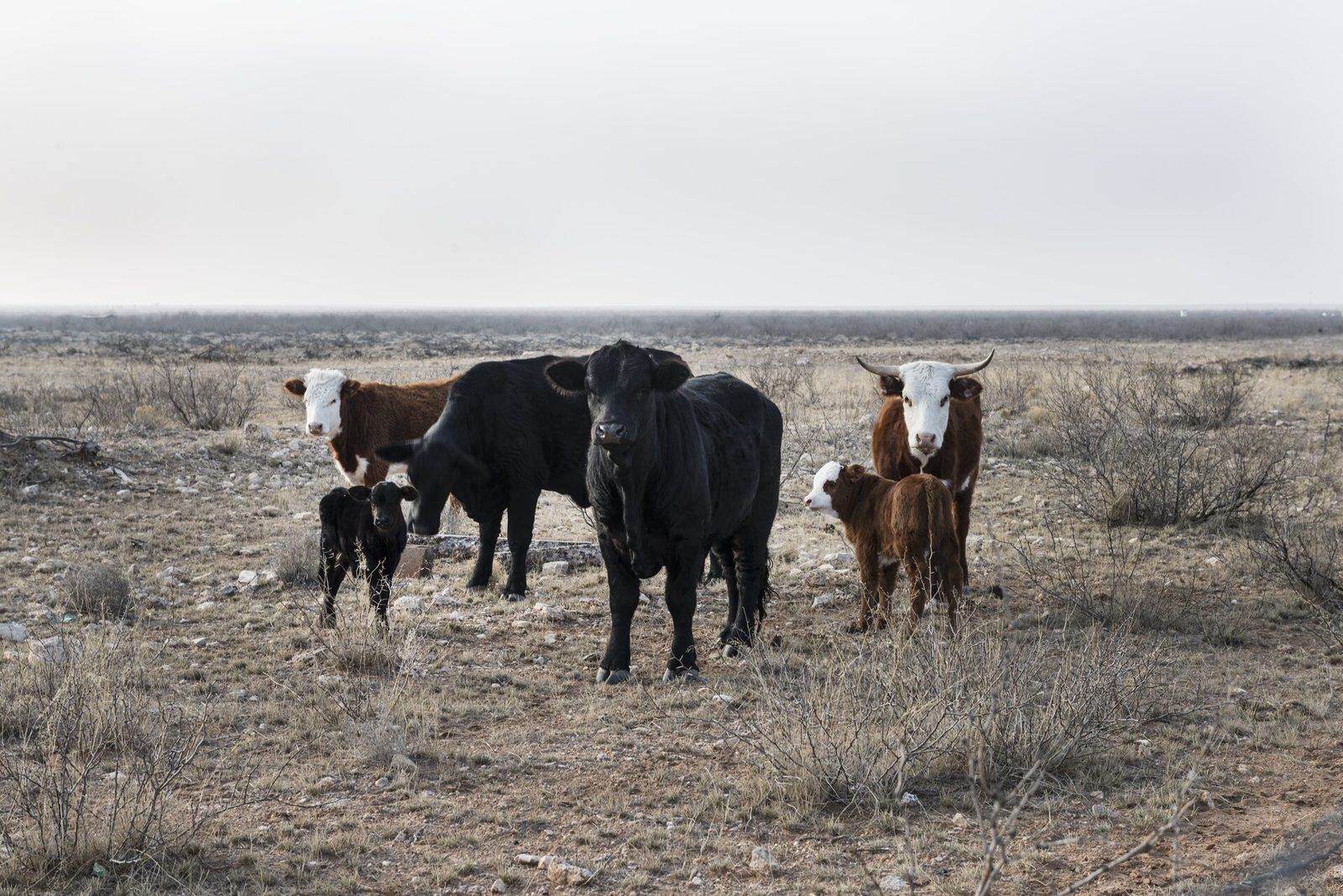
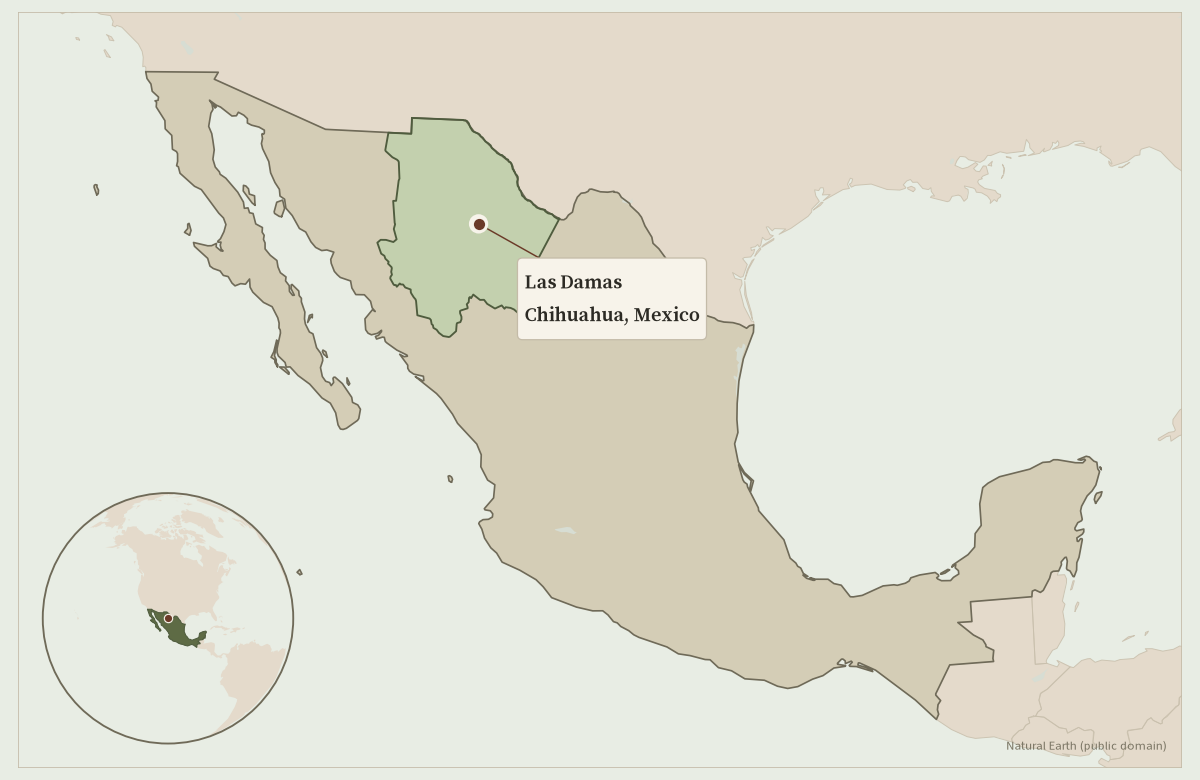
I think of Alejandro Carrillo and Las Damas as one of the great grazing stories of dry country: a Chihuahuan Desert beef ranch that, according to the ranch, now grows more grass and runs more cattle on the same scant rain. The place sits at Aldama, in Chihuahua, a long way south of El Paso. It is run as dry country, with no irrigated meadows. The cattle live on grass the year round.
What I find inspiring is not only the turnaround, but that Alejandro has not kept the lesson to himself. He became president of Pasticultores del Desierto, a group of desert ranchers, and, according to the case study, is part of a wider Chihuahuan effort covering more than a million acres. A ranch that could have stayed a private success became an example other people could follow. I first came to the story through those case studies, and I have gone back to them because the change is so clear: more cover, more cattle, and a family still on the place.
The challenge
Alejandro’s father bought Las Damas in 1985. Understanding Ag’s case study puts the whole place at about 30,000 acres, of which about 25,000 are grazable. For years it was run in the ordinary way, with three herds on three parts of the ranch. By 2006 there were only about a dozen large pastures. The cattle stayed too long in one place, or came back too soon. The ground, according to the case study, was both over-grazed and over-rested, and the soils were getting worse.
Rainfall averages about ten inches a year, most of it in a short midsummer season, followed by a long dry spell. Neighbours running conventional herds, the same account says, often needed a very large stretch of country to keep a single cow and calf. The ranch was running about 200 cows, and from March through July they needed extra feed. NCAT, writing in January 2022, said that when Alejandro took over in the early 2000s, at his father’s request, the ranch had been turning a profit only about every four years. He began looking for more grass, a healthier herd, and a living that would last. It is a familiar bind in dry country: too few cattle for the bills, and too little grass for the cattle. The family chose to change the way the herd used the land, rather than walk away from it.
What changed
He went to a workshop on holistic management, the approach developed by Allan Savory, added fencing, and put the three herds together as one. By 2012 the ranch had 55 pastures, with moves every few days, but the rotation was still about four months. He was, in the case study’s words, “experiencing rotational over-grazing.” A neighbouring rancher, Jesús Almeida, became a mentor.
Then the ranch got serious about rest. By 2018 there were more than 300 paddocks, made with simple permanent fencing and portable electric wire. The cattle were being moved at least once a day, and later twice a day, with about 500 paddocks in use. Each grazed piece of ground was then left alone for ten to fourteen months. The herd comes in tightly, eats and tramples, then leaves, and the grass has time to grow back.
Water was the other tool. The ranch built high reservoirs feeding troughs downhill by gravity, so cattle could drink where the fresh grass was. Those troughs, according to the case study, also drew deer, birds and other wildlife.
They did not seed the desert, or spray it, or plough it. The only routine extra for the cattle, according to the ranch, was a mineral supplement. The grass that returned came from seed already waiting in the soil. The family selected a closed herd that could thrive on rough forage in that harsh country. That quiet piece of stockmanship matters as much as the fencing. The cattle had to be the sort that could walk, eat what the desert offered, and still raise a calf.
The shift from a dozen big pastures to hundreds of small ones was gradual. I like that they did not pretend to have it right on the first try. The early rotation was still too short. With Almeida’s help they lengthened the rest, added wire, and kept going until the herd was moving every day, then twice a day, across country that had time to recover.
What the ranch reports
In 2018 the ranch and its neighbours received only six inches of rain in the main season. Understanding Ag published photographs of Las Damas and the ranch next door after the same rain. The contrast, they say, was plain: more cover on the land that had been grazed and then rested with care.
By the time of those accounts, the herd had tripled, from about 200 cows to about 600, on the same acres. Holistic Management International and the other case studies report a 350 per cent rise in net revenue. According to the ranch, annual cattle deaths had fallen from more than 10 per cent to under 1 per cent. The extra feed from March to July was no longer needed, and there was, the family said, less labour, even though the herd was being moved every day. Three generations were at work on the place, including Alejandro’s daughters, Paula and Daniela. A ranch that had been in trouble was, on this account, supporting a family again, and teaching neighbours at the same time.
I like eating beef from animals that lived on grass, and I think meat from well-grazed country belongs at the centre of a good table. If a desert ranch can put more of that beef on the table, from the same dry acres, that is a story worth telling.
What a farmer here can borrow
The wider literature on planned grazing is still being argued over, but the ranch’s own story is a striking one. A small holding in Britain will not look like 25,000 acres of Chihuahuan Desert. The rain here is higher and more even, the winters are wet, and conserved forage still matters. That is no reason to ignore the habit at the heart of Las Damas. Bunch the cattle, move them on, and give the grass a proper rest. You can try that on a British field with fewer paddocks and a shorter interval. Watch the recovery, and put water where the fresh grass is, so the herd is not walking back to the same trough every day. The scale will be different. The idea is still worth borrowing.
Frequently asked questions
Where is Las Damas, and who runs it?
It is a beef ranch in Aldama, Chihuahua, in the Chihuahuan Desert of northern Mexico. Alejandro Carrillo runs it with his family. His father bought the place in 1985.
Does the ranch irrigate, or still buy in feed through the dry months?
No irrigation, according to the case studies. The cattle live on grass the year round. According to the ranch, the extra feed once needed from March to July is no longer used, and the only routine supplement is a mineral mix.
How does the grazing work?
According to the case studies, the cattle are moved at least once a day, and later twice a day, across hundreds of paddocks. Each grazed piece of ground is then left alone for ten to fourteen months, so the grass has time to grow back.