
What the Grass Gives: UK Produce from a Pasture Diet
I have already written about how regenerative grazing is spreading across the UK, farm by farm, and, in an earlier guide, about the Pasture for Life mark as a shopper’s promise. This piece is about what that grass diet becomes: cheese and gelato from a Cumbrian dairy, leather from a British hide, wool from a Dorset flock, and even the fat of the animal, which can be rendered into tallow. If you are new to the idea, my explainer on regenerative agriculture is a good place to start.
For me the heart of it is simple. The animals live on pasture and forage, with no grain finish. Some of the farms that work this way are also organic, and keep sprays and artificial fertilisers off the land. The Pasture for Life mark itself is a promise about diet.
A mark for a grass diet
Pasture for Life certifies ruminant livestock, such as cattle and sheep, raised on pasture and forage for their whole lives. Milk before weaning is fine, and so are hay, silage and other conserved forage in winter. Grain and concentrate feeds, including soya, are not. That is very close to what most people imagine when they picture a cow in a field.
The current Certification Standards, version 5.1, cover more than a joint of beef or a leg of lamb. Certified produce can include dairy; leather, shearling and other skins; fibre, including wool; and products derived from the animal, for example tallow. The organisation began among farmers, and farms that carry the mark are inspected.
On the land itself, the standards take pasture seriously. They note that artificial fertilisers and herbicide sprays can harm the life in a field, and that herbicide use must be carefully controlled. They do not ban those inputs outright, so if you want a farm that uses no artificial fertilisers or sprays, look for an organic certification as well, or for a farm that says so itself.
Cheese and gelato from the Cumbrian grass
Jenny and Mark Lee farm 350 acres at Park House Farm, near the village of Torpenhow, on the northern edge of the Lake District in Cumbria, with their daughters. It is a third-generation family dairy, between the Northern Fells and the Solway Firth. Their Jersey-Friesian cows graze outside for more than 300 days a year, on a mixture of native grasses, herbs and legumes. The Lees move the herd each day and leave a field about 40 days to recover. They have also been planting wooded pasture, so the cows have shade and browse as well as grass. The farm is certified organic and Pasture for Life.
They were not always farming this way. They had been milking intensively, three times a day, with housed Holsteins, until a change in the milk price pushed them towards a lower-input grazing system. In 2017, a blocked nozzle on a sprayer left a strip of a field unsprayed. When the cows came back, they grazed in lines where the chemical had not been. That was the moment the Lees began to read more about what sprays do to the soil. They became certified organic in 2020, and 100% pasture-fed the year after. Today they farm without artificial or chemical inputs on the soil.
In 2019 they set up the Torpenhow Cheese Company in an old hay barn across the courtyard from the house, to turn the herd’s milk into farmhouse cheese. The milk changes with the season, and with whichever pasture the cows grazed the day before, so each batch of cheese has a slightly different background of taste and texture. They make a cheddar from that day’s milk, a brie they call Darling Howe, a crumbly cheese in the Cumbrian manner, and others besides. A diverse cover of grasses and legumes also lets their cows graze earlier and later in the year than many neighbours. Gelato is made at the farm too, from the same milk and cream, and sold as Three Hills Gelato.
I love that the flavour is allowed to change a little from one month to the next, with the grass and the time of year.
Leather from a pasture-fed hide
A hide is part of the same animal that gave the beef, and Sara Grady and Alice Robinson wanted it to keep the story of the farm it came from. The two of them met in 2019, after a friend noticed they were asking the same question, and in 2020 they founded British Pasture Leather to do something careful with those hides.
They work only with cattle from Pasture for Life certified farms. The hides go to small British abattoirs, then to Thomas Ware & Sons in Bristol, a tannery that uses plant tannins from mimosa, myrabolam and chestnut, rather than chrome. The tanning takes around three months. The leather is then finished at Blenkinsop Leathers in Northamptonshire, with fats and oils, and without plastic coatings. It is vegetable-tanned, made in this country, and it still shows the marks of an animal that lived on pasture.
Each raw hide can be traced to the farm it came from. Once the hides are in the tannery, a finished batch is linked to a group of farms rather than, as yet, to a single animal, and they are working on a way to follow each hide all the way through.
Alice came to the work as a designer, and has written, in Field, Fork, Fashion, about making clothes and objects from a known animal. Sara came to it from food and farming. Between them they make sure that if an animal is raised for food, its hide is used with care, and that some of the value comes back to the farms that grew the grass.
Wool, and what else the animal gives
The same standards that cover a cheese and a hide also cover fibre, including wool, and products derived from the animal, such as tallow. Tallow is the rendered fat. It has long been used for cooking, for soap and for candles, and when it comes from a certified animal it can carry the mark too.
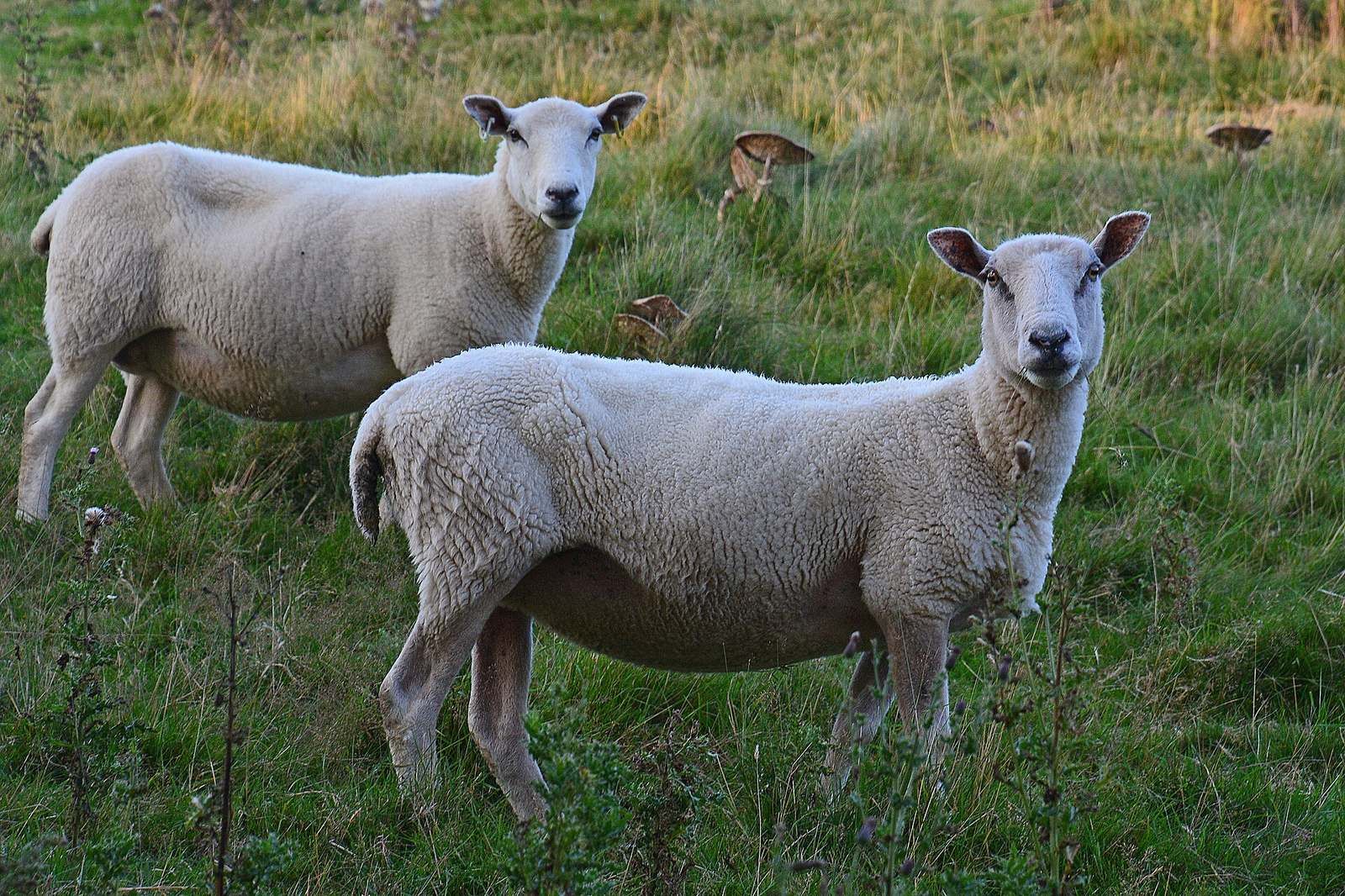
Wool already has farms I can name. At Gutchpool Farm in Dorset, Rachel took the land in hand after the Hall family moved there in 2004. The ground had been ploughed for crops, and the topsoil had suffered. She brought sheep back to what had been grassland, and now farms them with Alex James, a local shepherd. The flock, more than 200 sheep, mainly native Dorset Down, with Shetland and Poll Dorset, received Pasture for Life certification in 2017. In summer they are moved often over mixed pastures; in winter they eat home-grown hay, and some willow hay. From their fleeces come knitting yarns, woven throws and, with the skins, organically tanned sheepskins, sold from the farm shop as well as further afield. Rachel has a background in design and knitwear, and the farm is a registered producer with Fibreshed South West. I like that the fleece gets as much care as the hogget.
What a shopper can take from this
A grass diet can become a cheese that tastes a little different in June and in January, a gelato from the same dairy, a piece of leather that still looks like an animal that lived outdoors, and a skein of wool from a Dorset flock. On organic farms such as Park House, that diet sits alongside a decision to keep artificial sprays and fertilisers off the soil. Everywhere the mark appears, the promise on the packet is first of all about what the animal ate, and I find it a happy thing to see how far a life on grass can go.
Frequently asked questions
Does the Pasture for Life mark mean a farm uses no pesticides or chemicals?
No. The mark is a standard for a 100% pasture and forage diet, with no grain finishing. The standards warn against careless use of artificial fertilisers and herbicides, but they do not ban them. If you want produce from a farm that uses no artificial sprays or fertilisers, look for an organic certification, or for a farm that says so itself.
What products can carry the mark?
Meat and dairy are the most familiar. The current standards also allow leather, shearling and other skins, fibre such as wool, and derived products including tallow, when they come from certified animals and are handled through approved businesses.
Where can I find this produce?
Pasture for Life keeps a directory of certified farms and sellers. Torpenhow cheese and Three Hills gelato are sold from Park House Farm and through other retailers. Gutchpool Farm sells yarn, throws and sheepskins from its own shop. British Pasture Leather supplies material mainly to makers and brands. The UK guide has more on looking for the mark in shops and markets.
Sources
- Pasture for Life, homepage
- Pasture for Life, certification
- Pasture for Life, Certification Standards for Ruminant Livestock and Products from Ruminant Livestock, version 5.1
- Torpenhow Organic Cheese, Park House Farm
- Pasture for Life, “Jenny and Mark Lee” mentor profile
- Pasture for Life, “Park House Farm, Cumbria”
- Real Farming Trust, “Meet the Practitioner: Jenny and Mark Lee of Torpenhow Dairy”
- Three Hills Gelato, “Our Story”
- British Pasture Leather, “About Us”
- British Pasture Leather, “Our Leather”
- British Pasture Leather, FAQs
- Gutchpool Farm, “Our Story”
- Pasture for Life, Gutchpool Farm directory listing