
One Herd, Shared Grass: Maasai Herders and Enonkishu Conservancy
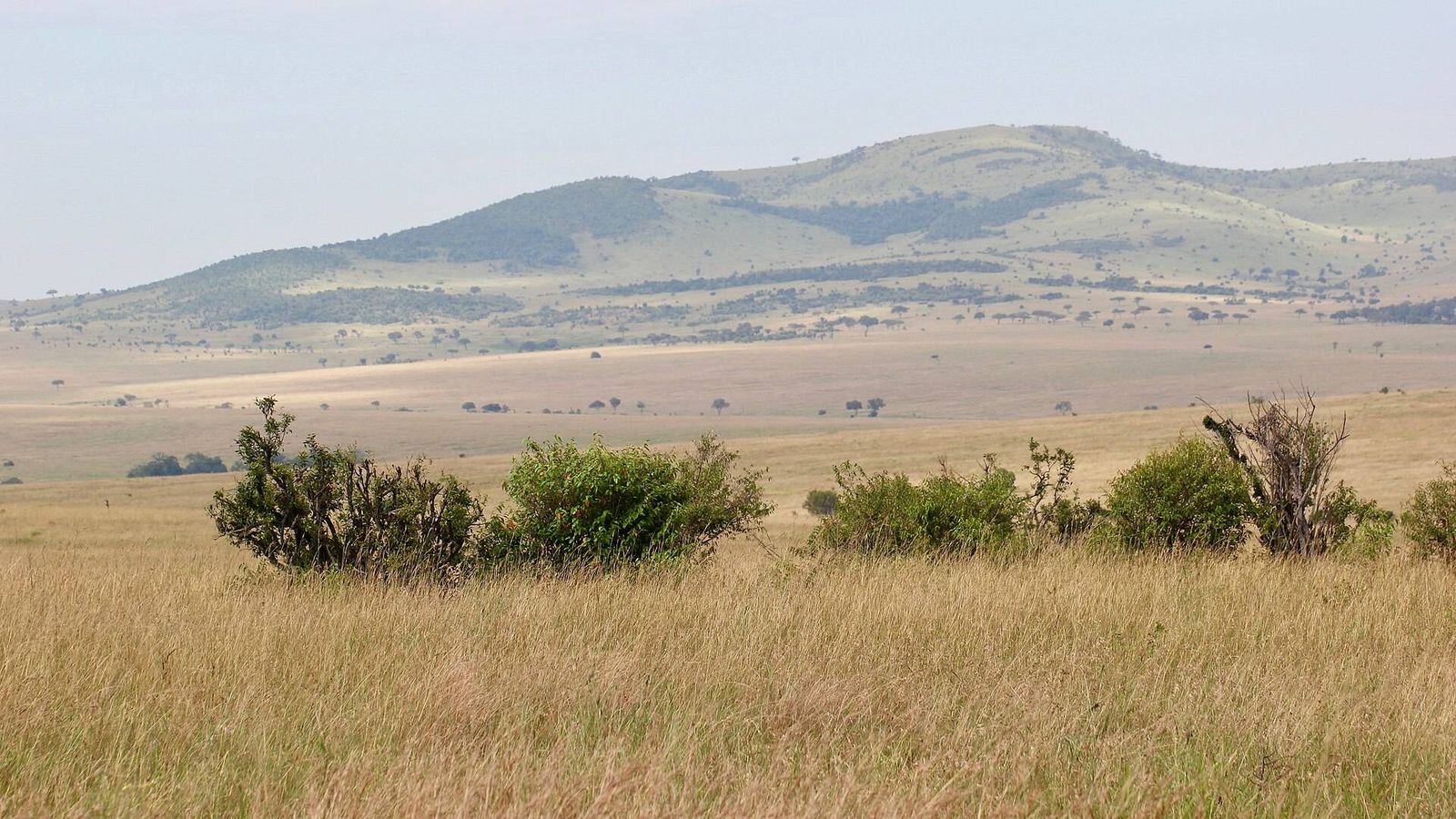
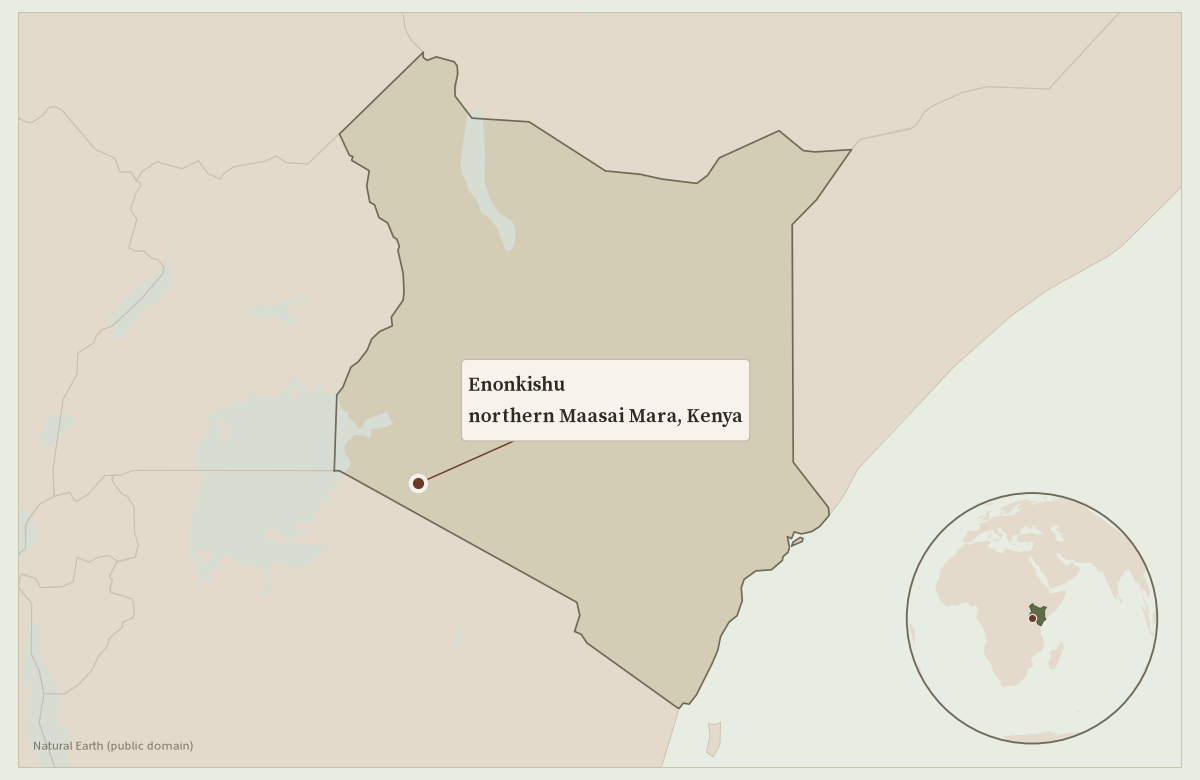
In the Maa language, Enonkishu means healthy cattle. Community elders chose the name for a conservancy at the northern edge of Kenya’s Greater Mara, as a picture of the herd they hoped for. The land is wooded acacia savannah, open plains and rocky hills, with riverine forest along the Mara River, which runs beside it. Cattle share this ground with giraffe, elephant and lion.
In 2009, on the edge of Kileleoni Hill, families gathered under a tree, over nyama choma, roast meat, and open conversation. The grass was disappearing. Livestock still sat at the heart of life, as they always had, but the land was tired, and wildlife brought the community little in return. Together they imagined a future in which healthy land, cattle, people and wildlife could live side by side. From that meeting, Enonkishu Conservancy was born.
I came to this story for those families, and for a decision they later made: to put their cattle into one herd, and to leave the grass time to grow back. It is a simple change to describe, and a hard one to agree on, because it asks neighbours to trust one another with their animals.
The land at the edge of the Mara
Enonkishu covers 5,928 acres and belongs to 42 landowners. It is the northernmost conservancy in the Greater Mara, and it is still home to people and their animals as well as wild ones. Buffalo graze near the river, hippos wallow in it, and the hills and thickets give cover to predators. The herd is at the centre of how this land is cared for.
The Mara Training Centre, on the conservancy, teaches why a plan is needed here. In the rains, more grass grows than the wild animals can keep down. What is left standing goes coarse and stale. In the dry months the wildlife then crowd onto the patches that were grazed and kept fresh, and those patches are worn too hard, while the old, unused grass gets in the way of the next flush. Cattle, moved as one herd, can eat that wet-season surplus, trample what would otherwise stand dead, and leave each block time to recover. Wildlife often follows the herd, grazing the fresh regrowth the cattle leave behind. Here it is put into practice by Maasai landowners, on their own ground.
One herd, and a rest for the grass
The breakthrough came in 2013 and 2014. Landowners agreed to merge their cattle into a single herd, managed together and moved under a planned grazing scheme. That programme is now called Herds for Growth. Putting many family herds into one took a great deal of trust. It also made a single plan possible across the conservancy, instead of each family grazing its own animals in its own way.
Herders watch the cattle each day and move them through blocks of ground, so each piece of grass can recover and put down deeper roots. The work is close and practical: counting the animals, judging the grass, and deciding when a block has had enough. A community grazing committee decides how many animals each block can carry, weighing the season, the grass, the risk of drought and the needs of wildlife, so the dry months are planned for before they arrive. Extra water points let the herd graze more evenly instead of always returning to the same tired corners.
At night the cattle sleep in a mobile boma, a predator-proof pen that travels with them and is fitted with solar lights that discourage lions. The hope is that fewer animals are taken, and that there is less reason for a lion to be killed in return. When the boma moves on, the dung is left behind and feeds the ground. The conservancy has also brought in Boran bulls, a hardy East African breed, to improve the quality of the shared herd rather than simply its size.
For the Maasai, livestock are a livelihood and a way of life handed down through the generations. The cattle still matter in that old sense, and they also bring in an income. Conservancy fees paid by visitors sit beside that, so a household can be supported by the herd and by the wild country at once.
Teaching the work, and spreading it
Enonkishu joined the network of Allan Savory’s institute in its early years, and the Mara Training Centre later became the Savory Institute’s Kenya hub. Training began in 2014 for staff, neighbouring conservancies, rangers and livestock owners, and that first stretch ran to the end of 2016. The aim was always to share the method across the northern Mara.
A neighbouring estate, Naretoi, is a partner. Its homeowners pay an annual contribution to the conservancy, a second stream of support beside the cattle and the visitors.
In 2025 the Savory Institute and the Mara Training Centre won a Grand Prize in the Institute of Food Technologists’ Seeding the Future challenge, to help spread the grazing work across a network of conservancies that includes Enonkishu, Lemek, Ol Chorro and Mara North.
In 2024 and 2025, landowners at neighbouring Mbokishi spent months taking down fences and adding their land to the conserved ground, joining one stretch of grass to the next.
The northern Mara is not a British field. British farmers rarely share their grass with elephant and lion, and the weather and distances are nothing like Britain’s. What travels is the habit at the centre of the work: one plan for the animals, and enough time for the grass to stand up again.
Frequently asked questions
How is Enonkishu different from Naretoi?
Naretoi is a neighbouring estate and a partner. Homeowners there pay an annual contribution that helps fund the conservancy. Enonkishu is the community conservancy, where Maasai landowners keep the cattle and care for the land.
What is the Mara Training Centre?
It is based at Enonkishu and is the Savory Institute’s Kenya hub. It began training people in planned grazing in 2014, and shares that work with other conservancies in the Mara.
What was the 2025 prize for?
The Savory Institute, working with the Mara Training Centre, won one of two Grand Prizes in the Institute of Food Technologists’ Seeding the Future Global Food System Challenge. The award of $250,000 will help spread the grazing work across more than 100,000 hectares of conservancies in the Mara, including Enonkishu.
Sources
- Enonkishu Conservancy, “Our Story”
- Enonkishu Conservancy, “Herds for Growth”
- Maasai Mara Wildlife Conservancies Association, conservancies directory
- Savory Institute, “Mara Training Center – Savory Kenya Hub,” 19 January 2017
- Savory Institute, “Regenerating the Mara: Savory Wins IFT Grand Prize for Kenya Project,” 4 August 2025
- Institute of Food Technologists, “IFT and Seeding The Future Foundation Announce Growth Grant and Grand Prize Winners,” 9 July 2025
- Naretoi, “Conservation”