
A Rest for the Summer Grass: Herders and the PLUS Project in Ider, Mongolia
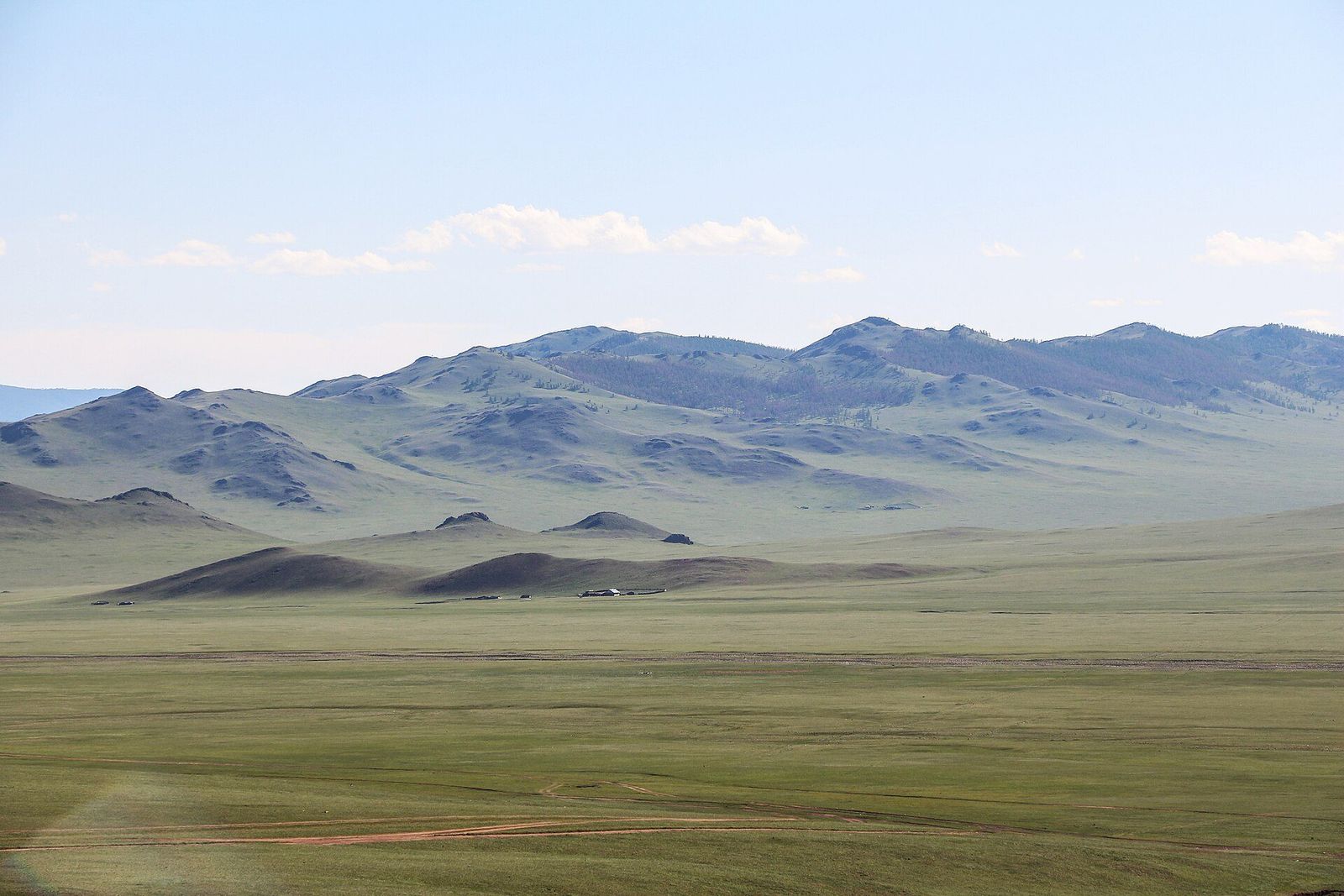
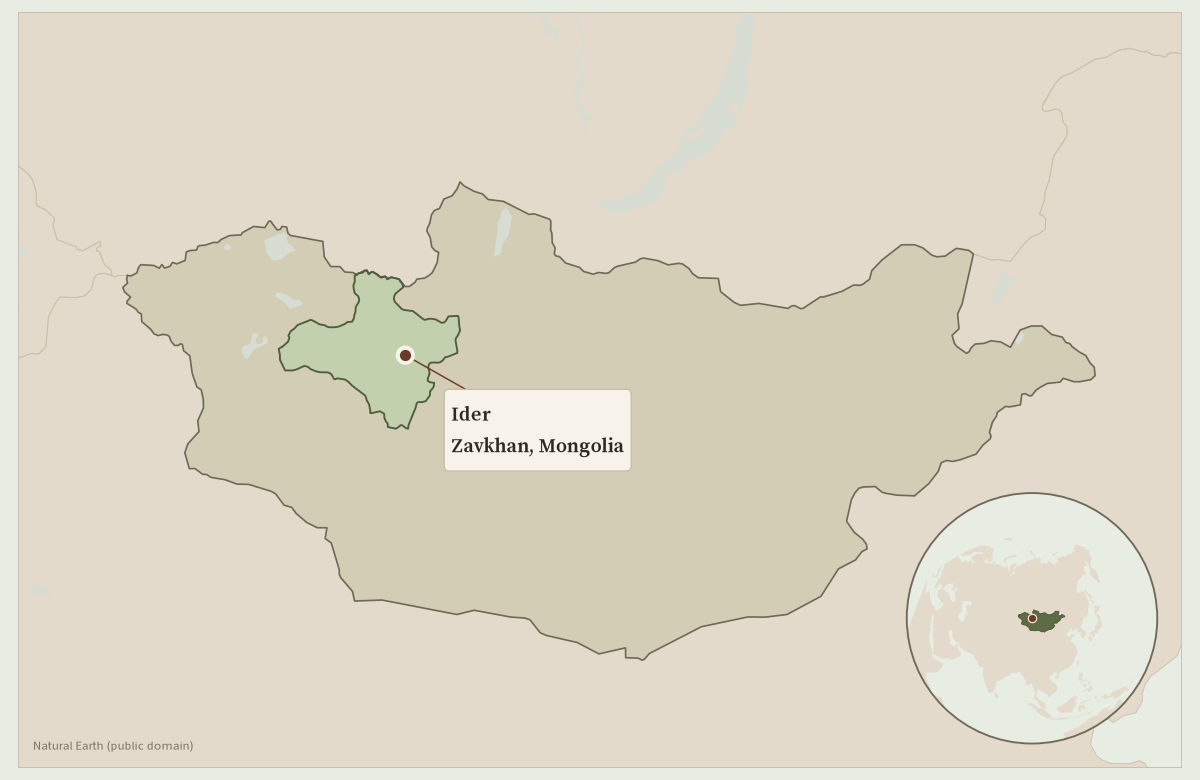
On the open pastures of Ider, a district in western Mongolia’s Zavkhan province, families still move with their animals. The land is held in common. Summers are short, and the grass has only a little time to grow. Winters can be savage. That is the country Sh. Bolortsetseg came to in 2016, from Tosontsengel, with her family. They herd yaks in Darkhan-Uul bagh, one of the local sub-districts, and selling good yak-milk products has been enough to meet their needs.
I came to this story for the herders, and for a simple change they tried on the summer grass.
The land, and a short project
Herders here have long known that pasture needs a rest, and that neighbours have to agree if the rest is to mean anything on land that no one family owns. The question in front of the families of Ider was a practical one: how to move the animals in the growing season so the grass could come back.
Pasture Land – Use it Sustainably, or PLUS, was a three-year pilot to help with that work. It was led by ADRA Mongolia, the Adventist development agency, in close partnership with the Savory Institute, and funded by the Swiss cantons of Zurich and Aargau together with ADRA Switzerland. It ran from June 2021 to the end of May 2024 in four baghs, or sub-districts, of Ider soum: Tsetserleg, Manuustai, Zagastai and Darkhan-Uul. It worked with 100 herder households, and it was the first time this approach had been tried in the district.
The method the partners brought was holistic planned grazing: make a shared plan for the growing season, keep the animals together, move them on, and give each piece of pasture time to recover while the grass is growing. Plans were drawn up with herder groups and shared with neighbours and the soum government. There was also training in how to keep an eye on the land, using the Savory Institute’s own way of checking it, and practical help with milk, aimed especially at women herders. Most of the people who came to the training were women, and their communities saw them as leading the work. In the project’s last April, a Savory trainer went back to three of the baghs. Herders there said they had understood the approach and would take it to their bagh meetings.
What the herders tell
Late in 2023, Bolortsetseg said she had been encouraged by the summer grazing plan that she and her neighbours made after the PLUS meetings. They had worked together for two years. “We divided our summer pastures into 5 parts and let all the animals graze for 7 days in each part of the pasture, then let the pastures recover. We observed that the grass increased by 3-4 cm every week. Therefore, we herders need to try our best to continue.”
The results were plain to see. The animals could graze more steadily, and those that had been thin in mid-July had filled out by early August, a better start to the winter. “The quality of the pastures largely depends on how well the herders follow the grazing plans,” she said, and she wanted others in Ider to get better grass by working together.
D. Bolormaa, another herder of Ider, had already switched from sheep and goats to yaks, to live more from dairy. She came regularly to the milk-processing training, learned to make a wider range of products, and sold them in the neighbourhood and at the Ider fair. “I love to make dairy products, and I enjoy doing so very much,” she said. “The milk separator from the PLUS Project has been really helpful.”
After the project
On 26 April 2024, the partners held a closing meeting in Ider, called “Findings and Lessons Learned.” The milk-processing equipment was handed over to the Ider Suun Tsatsal Herders’ Cooperative, so it would stay in local hands. Herders who had been through the training were already sharing what they did at their bagh meetings, and they said they would keep that up. The funded pilot ended on 31 May 2024, but the families, the plans they made with their neighbours and the grass remain.
The pastures of Ider are communal, and they are far larger than a British field. A short Mongolian summer is not an English one, and a Mongolian winter is far harsher than a wet January. Even so, the heart of the work is not exotic. It is neighbours agreeing, while the grass is growing, to leave a piece of it alone.
Frequently asked questions
What is PLUS?
PLUS stands for Pasture Land – Use it Sustainably. It was a three-year pilot, from June 2021 to May 2024, led by ADRA Mongolia with the Savory Institute, and paid for by the cantons of Zurich and Aargau and ADRA Switzerland.
Where is Ider?
Ider is a soum, or rural district, in Zavkhan province, in western Mongolia. The project worked with herder communities in four of its baghs, or sub-districts.
Can you still visit or join the project?
The funded pilot has ended, and the Ider Suun Tsatsal Herders’ Cooperative now holds the milk-processing equipment. The cooperative, the soum or ADRA Mongolia can tell you what continues on the ground.
Sources
- ADRA Mongolia, “Pasture Land – Use it Sustainably (PLUS)”
- Savory Institute, “Mongolia (ADRA)” project page
- Bobby Gill, “Holistic Planned Grazing & EOV in Mongolia: PLUS Project 2022 Recap,” Savory Institute, 15 December 2022
- ADRA Mongolia, The Nomads, Vol. 2 No. 3, October–December 2023
- ADRA Mongolia, The Nomads, Vol. 1 No. 7, January–April 2024
- ADRA Mongolia, The Nomads, Q2 2024, including the 26 April 2024 closing ceremony