
After the Fire, the Grass Returned: Colin Seis and Winona
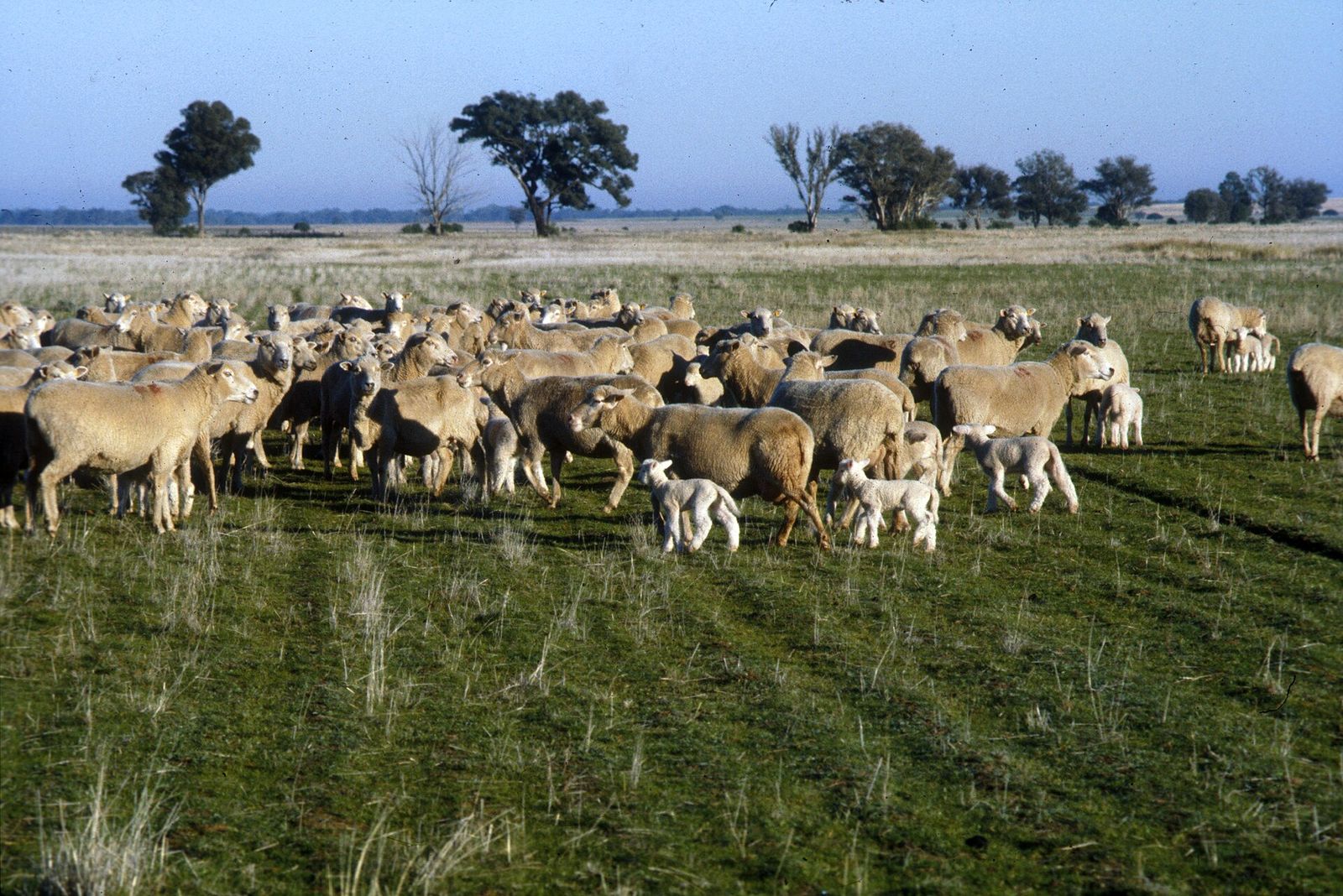
Winona, north of Gulgong in the Central Tablelands of New South Wales, is a Merino farm that had to start again after fire. The Seis family kept the ewes that survived, put the sheep back to work on the grass, and found a way to grow a crop without first killing the pasture. I think of Colin Seis as a pioneer of that method, pasture cropping, and as an inspiration to graziers well beyond Australia. He has told the story widely, and other farmers have come to Winona, or heard him speak, and gone home with a new way of looking at grass.
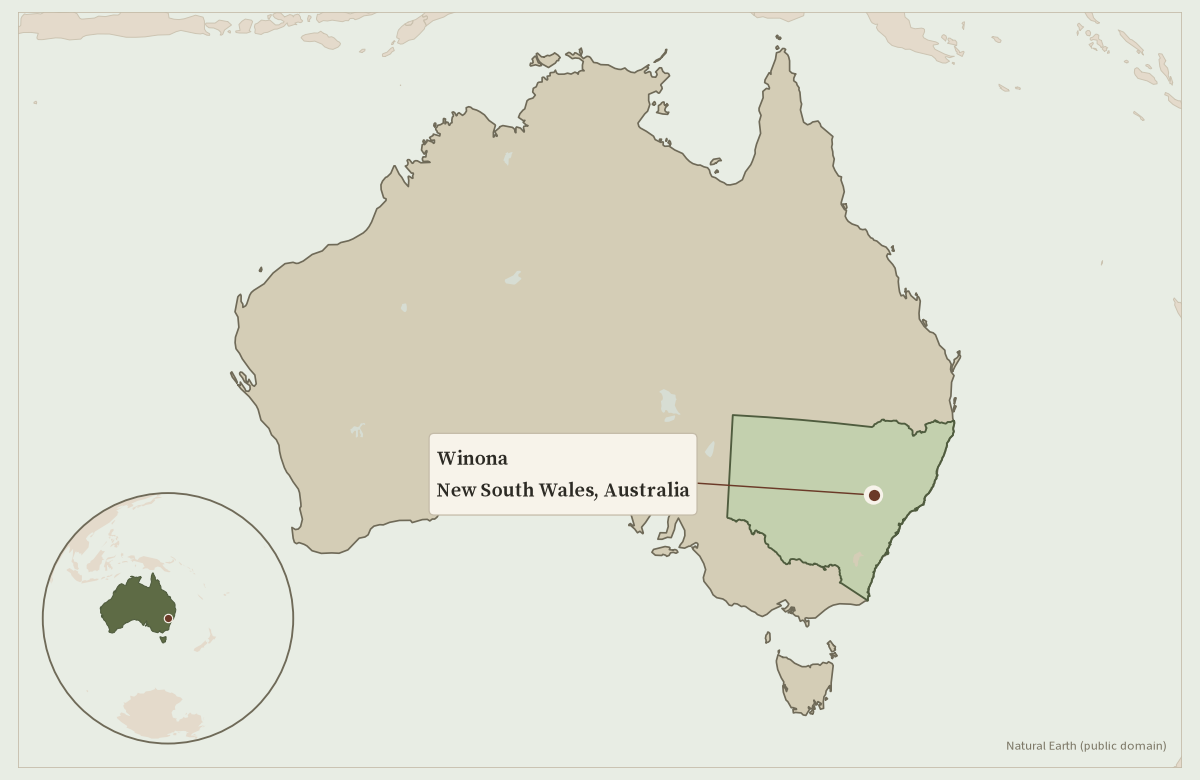
The place is about 840 hectares, in the family since the 1860s, and is now managed by Colin and his son Nicholas. The farm’s own site says it still runs around four thousand fine-wool Merino sheep.
The challenge
From the 1930s to 1980, Soils for Life records, Winona grew wheat and oats as well as wool and sheep, on introduced annual pastures, with set stocking and a plough that could work the soil several times before a crop went in. Yields were good while superphosphate was cheap. Then the bill came due. Colin has described salinity, declining soil, dead trees, and rising input costs. Rain, he has said, no longer soaked in as it should.
In 1979 a massive bushfire swept the property. It killed 3,000 of Winona’s Merino sheep and destroyed the homestead, sheds and fencing. Colin has said they had no money left for the chemicals and fertilisers they had been using. After the fire, about 1,000 ewes were still alive. “We didn’t have the heart to sell them,” he later told a Farming Together audience, “and they got us out of trouble.” I find that a moving beginning. The flock that survived the fire became both the family’s income and, later, the tool that helped the grassland recover.
What changed
Soils for Life says Colin began time-control grazing in 1989, moving the sheep so the pastures could rest. Colin himself has said that by 1993 he had adopted holistic planned grazing, developed pasture cropping, and then combined the two in 1995. “That’s what really drove change,” he said. “I focused on achieving full ground cover and restoring Winona to grassland.”
The sheep are bunched into large mobs and rotated around many paddocks, then the plants get time to recover. Woolmark records him putting it plainly: “If grazing animals, in my case sheep, are managed wisely, they can be instrumental in restoring our grasslands, our soil and the whole farm ecosystem.”
Pasture cropping is simpler than the name might suggest, and it depends on Winona’s climate. In that country, the native perennial grasses, which are largely summer-active, ease off in winter. The sheep go in first, a tight mob, to graze and trample the dormant pasture and leave a mulch of litter and manure. Then a crop, often oats or wheat, is drilled straight into that living grassland, without turning the soil over or wiping the pasture out. The crop grows while the native grasses rest. After harvest, the pasture is already coming back, and the sheep return.
Winona now harvests native grass seed every year, and still grows up to 500 acres of oats by the same method. The seed is another harvest from the same living grassland, not a separate enterprise that needs the pasture killed first. Crops usually go in with no herbicide and, according to the farm and the case studies, about 70 per cent less fertiliser than a conventional crop. Soils for Life described the paddocks being increased from ten to 75, with a central laneway, and more than 70 small dams, because there are no creeks or rivers on the place.
What the farm reports
Speaking in 2023, Colin said native grassland plants had increased from nine species to 60, and annual weeds had fallen from 60 per cent to less than 5 per cent. Soils for Life, in its earlier study, recorded a similar shift on measured transects. The weeds, on this account, were shaded out by perennial grass, not sprayed out of existence. The same case study said volumes of wool and sheep stayed about the same, while tensile strength improved, vegetable matter in the fleece fell, and annual input costs dropped by over $120,000. In 2023 Colin put his own saving, conservatively, at more than $100,000 a year, not counting labour. A 2020 economic report prepared for Soils for Life found that wool remained the main income, and that Winona’s profit margins had consistently exceeded those of a benchmark specialist sheep farm. The farm’s own site still describes a large Merino, carrying fine 18–19 micron wool.
Soils for Life also attributed to Colin a 203 per cent rise in soil carbon over ten years, and a large rise in the soil’s ability to hold water. In a later dry period, Colin told Australian Wool Innovation that most of the flock’s feed still came from native pasture, though some grain and minerals were used as a supplement.
Grain yields can be lower than in a conventional crop, according to official NSW advice, but Colin has stressed that the profits held because costs fell. I like that way of keeping the books. The farm is judged by whether the whole place pays, and whether the grass is still there next year, not by a single yield figure on its own.
I like eating meat from animals that lived on grass, and I think wool and lamb from living pasture belong at a good table.
What a farmer here can borrow
A small UK holding will not look like an 840-hectare Merino property with thousands of ewes, and the British season is different. Winona’s native grasses ease off in winter, which is when the cereal grows. Most UK grass grows in that same cool season, so the window is not the same. Even so, a farmer here can take heart from the habits behind the method: keep the ground covered, use the flock to prepare a paddock, and, where it makes sense, try sowing into living grass rather than killing it first. You may not drill oats into a dormant C4 sward. You can still treat grass as something to work with, and sheep as part of that work.
Frequently asked questions
Who farms Winona now, and what does it run?
Colin Seis and his son Nicholas manage the place, about 840 hectares north of Gulgong. The farm’s own site says it runs around 4,000 fine-wool Merino sheep and harvests native grass seed.
Do they still grow a grain crop?
Yes. The farm says it still grows up to 500 acres of oats drilled into living pasture, usually with no herbicide and, according to the farm and the case studies, about 70 per cent less fertiliser than a conventional crop.
What is pasture cropping?
It is the method Colin developed at Winona: a winter cereal is drilled straight into living, summer-active pasture after the sheep have grazed and trampled it. The crop grows while the native grasses rest, and after harvest the pasture and the flock return.
Sources
- Winona, homepage
- Winona, “Pasture Cropping”
- Winona, Merino Stud
- Soils for Life, “Pasture cropping on Winona”
- Farming Together, “Regenerative agriculture saved my farm,” 31 March 2023
- Australian Wool Innovation, Colin Seis, “Winona,” Central Tablelands
- Woolmark, “Case Study: Winona,” Natural Capital Accounting
- Soils for Life, Winona Economic Report, 2020
- NSW Government, “Pasture cropping”